

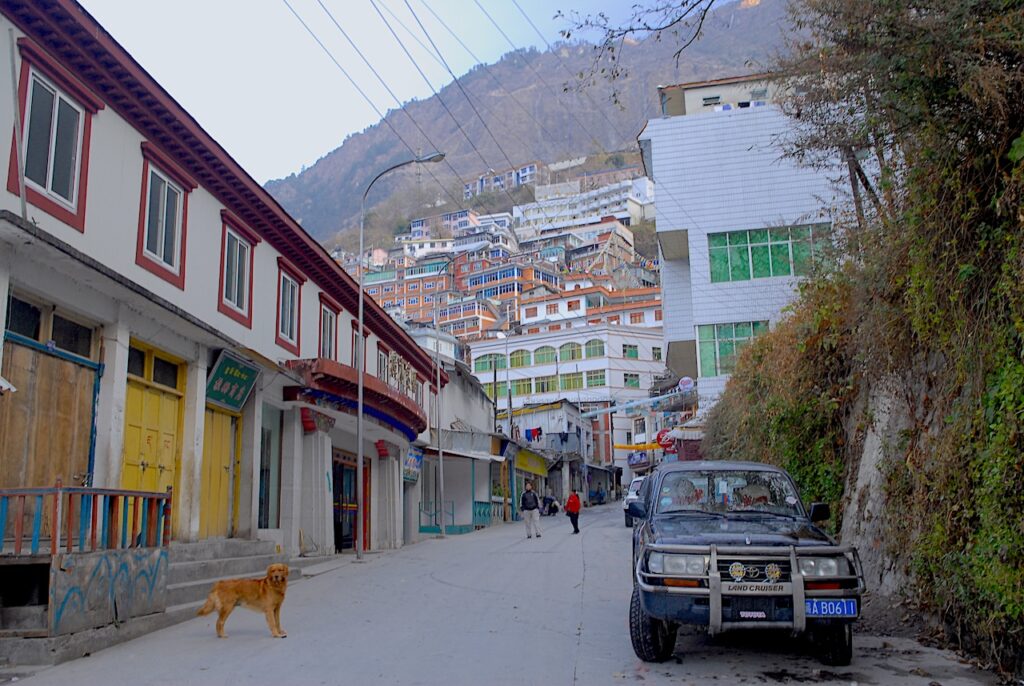
Zhangmu Port (འགྲམ་འགག་སྒོ།) is a crucial border crossing between China and Nepal, located in Zhangmu Town, Nyalam County, Shigatse City, Tibet Autonomous Region, China. Situated on the southern slopes of the Himalayas at an altitude of approximately 2,300 meters (7,546 feet), Zhangmu enjoys a relatively mild and humid climate compared to Tibet’s high-altitude plateau. The port is 120 kilometers from Kathmandu, Nepal’s capital, and serves as a gateway between Tibet and the South Asian subcontinent. It is strategically positioned along the China-Nepal Friendship Highway, a major trade and travel route linking Tibet to Nepal and beyond
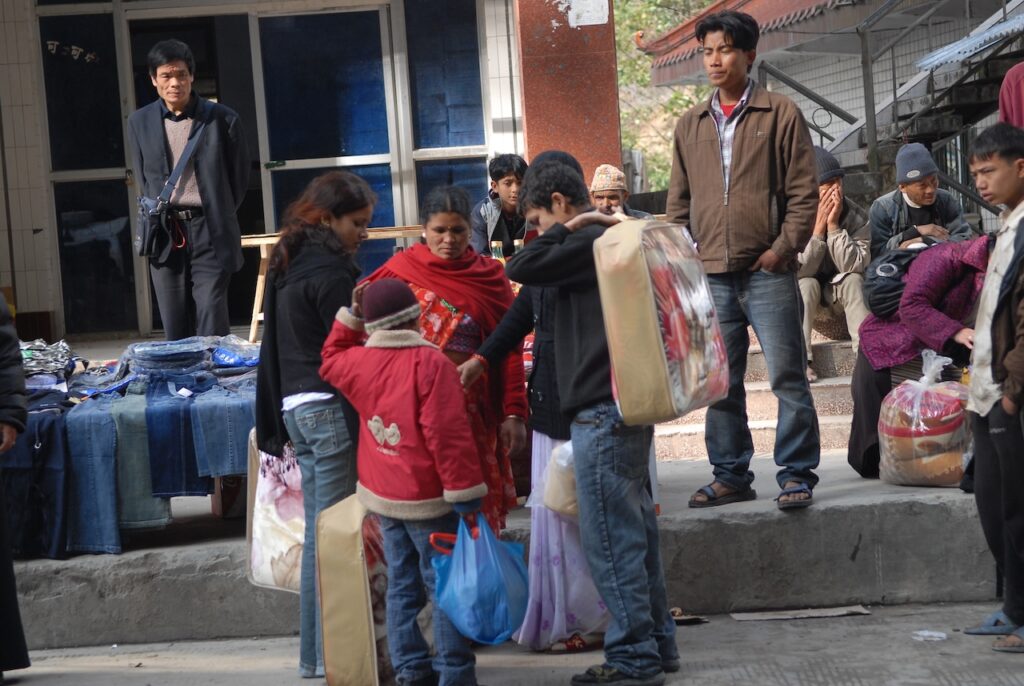
Zhangmu Port has been a key point of economic and cultural exchange for centuries. Historically, it functioned as an important trading hub between Tibet and Nepal, facilitating the exchange of Tibetan wool, salt, and medicinal herbs for Nepalese grains, spices, and handicrafts.
With the opening of the China-Nepal Friendship Highway in the 1960s, Zhangmu became one of the most significant overland trade routes between China and South Asia. Over the years, it developed into Tibet’s largest land trade port, handling significant cross-border trade and transportation.
In 2015, the devastating Nepal earthquake severely damaged the infrastructure around Zhangmu, leading to the temporary closure of the port. However, China later developed Gyirong Port as an alternative border crossing. Zhangmu Port has since undergone reconstruction efforts and remains an important historical and commercial site.
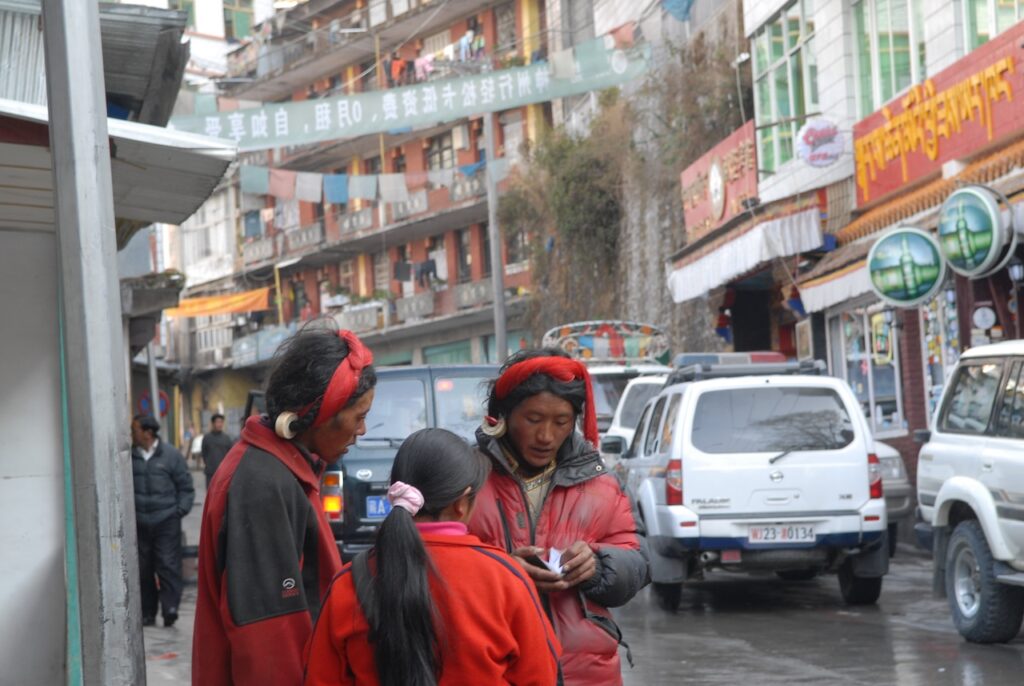
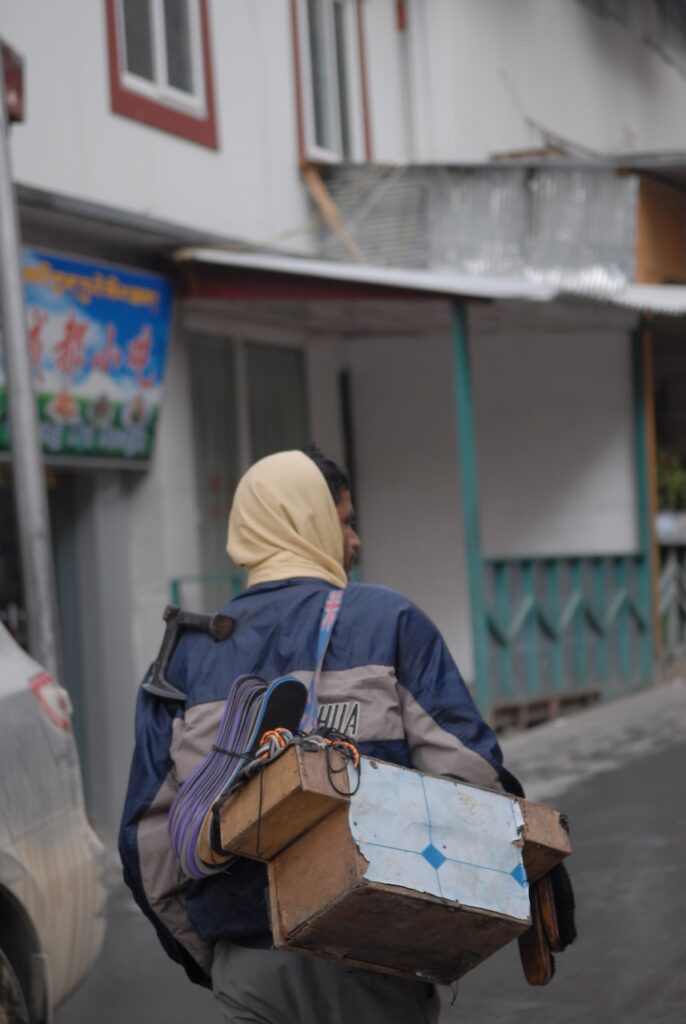
Zhangmu is a culturally diverse town where Tibetan, Nepalese, and Han Chinese influences blend together. The local population consists mainly of Tibetans, but due to its status as a trade hub, Nepalese merchants and traders have long been present in the area, contributing to a rich multicultural atmosphere.
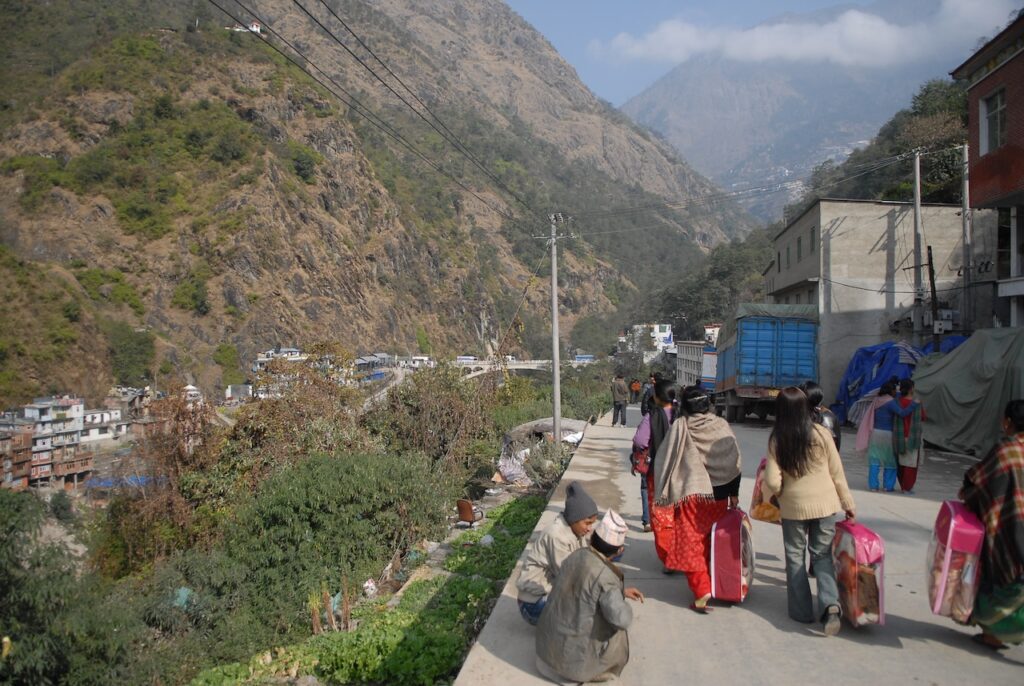
Unlike the vast, arid Tibetan plateau, Zhangmu’s lower elevation and subtropical climate result in lush green hillsides, waterfalls, and foggy landscapes, making it distinct from other Tibetan towns. The region’s Buddhist culture is evident in the numerous stupas, prayer flags, and small monasteriesfound throughout the town. The port is also an entry point for pilgrims traveling to Mount Kailash and Lake Manasarovar, two of the most sacred sites in Tibetan Buddhism and Hinduism.
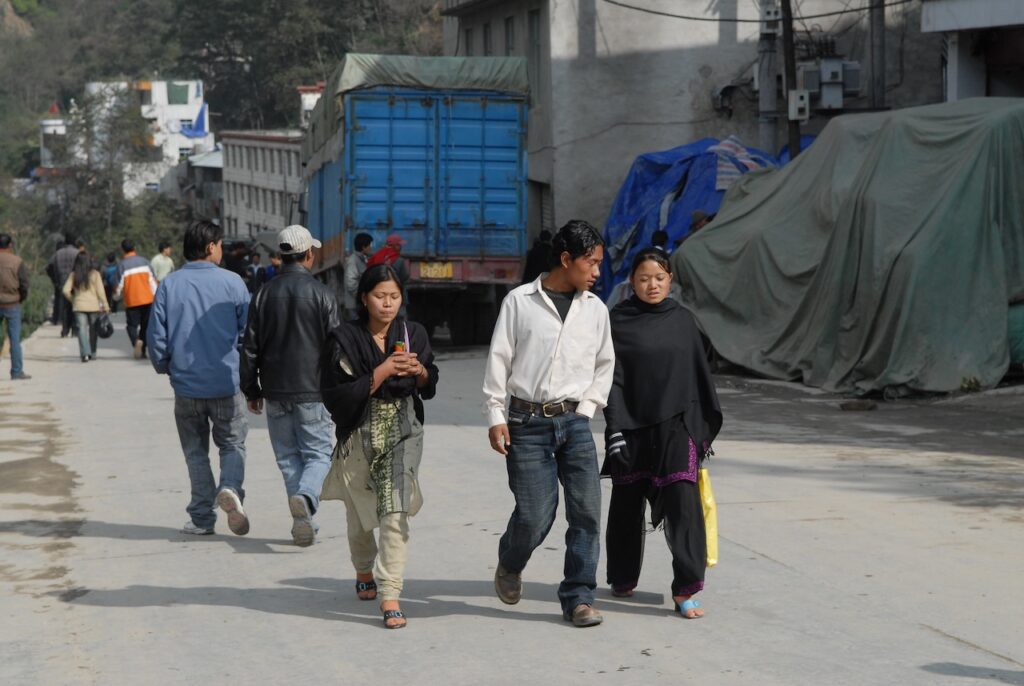
Zhangmu Port plays a vital role in China-Nepal trade and connectivity, serving as a key logistics hub for goods moving between Tibet and South Asia. It has also been an important route for tourists, pilgrims, and mountaineers traveling between Tibet and Nepal. Despite challenges from natural disasters, it remains a historically and economically significant border town, symbolizing centuries of cultural and commercial exchange between Tibet and Nepal.
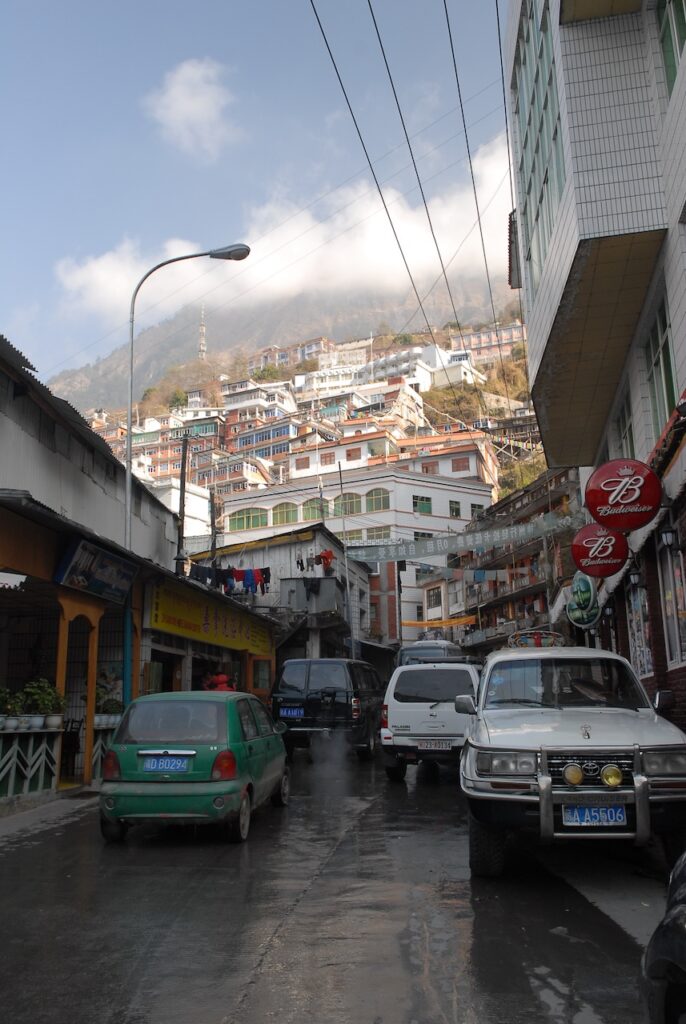
The introduction text comes from Wiki
Photo By Clint & Wilson