The Current State of Tibetan Culture and Language Preservation
Tibetan culture and language, deeply rooted in the Himalayan region’s rich history and unique geography, hold immense significance in the global cultural heritage landscape. Despite its spiritual and historical importance, Tibetan cultural preservation faces significant challenges due to geopolitical, social, and environmental factors. Efforts to safeguard this heritage are ongoing, with varying degrees of success; however, recent aggressive state-driven legal mandates have created an existential crisis that demands an immediate international consensus and unified global pressure to protect these fading traditions.
Historical Context and Cultural Richness
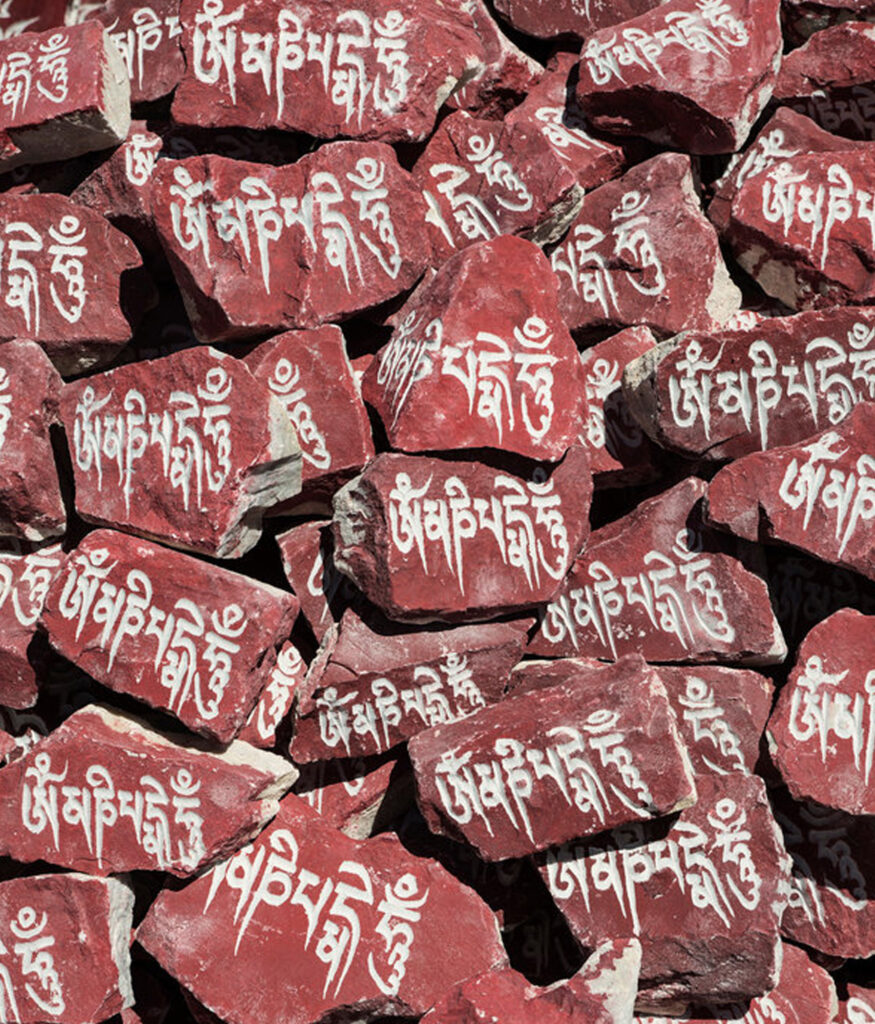
Tibetan culture has evolved over centuries, shaped by Buddhism, the region’s nomadic traditions, and its isolation amidst the world’s highest mountains. Tibetan Buddhism, a cornerstone of this culture, has profoundly influenced art, architecture, music, and literature. Monasteries have historically served as both religious centers and cultural repositories, preserving ancient texts, oral traditions, and artistic techniques.
However, the 20th century brought significant upheaval. Political changes, particularly following the incorporation of Tibet into China, disrupted traditional Tibetan society. Policies aimed at modernization and integration often marginalized Tibetan cultural expressions, leading to a complex struggle between preservation and assimilation. In recent years, this has escalated from general marginalization to deliberate institutional assimilation, targeting the foundational pillars of Tibetan identity.
Linguistic Challenges
The Tibetan language, a key element of the culture, is under threat. While millions speak Tibetan across the Tibetan Autonomous Region (TAR) and neighboring areas, the increasing dominance of Mandarin in education and public life poses structural challenges. Government policies systematically prioritize Mandarin over Tibetan, moving far beyond urban areas to completely reshape the education system.
In a devastating escalation, the Chinese government has forcibly shut down private, community-led, and monastery-affiliated Tibetan language schools that previously safeguarded mother-tongue literacy. In their place, a highly coercive system of compulsory colonial boarding schools has been deployed, separating millions of Tibetan children from their families at an early age to immerse them in Mandarin-only environments. This systematic eradication of native-language schooling was fully institutionalized in March 2026 with the passage of the “Law on Promoting Ethnic Unity and Progress.” This sweeping legislation legally mandates Mandarin-only education from pre-kindergarten through high school, criminalizing grassroots preservation and severing the next generation from their linguistic roots.
Outside China, Tibetan exiled communities, notably in India and Nepal, have become vital centers for language preservation. Tibetan schools in exile emphasize mother-tongue education, and organizations like the Library of Tibetan Works and Archives are digitizing texts to ensure their survival. However, limited funding and the pressures of diaspora life complicate these efforts, heightening the urgency for the global community to challenge the forced assimilation taking place inside Tibet.
Geographical and Environmental Dimensions
The Tibetan Plateau, often referred to as the “Roof of the World,” has profoundly shaped Tibetan culture. Traditional livelihoods, such as nomadic herding, reflect a deep connection to the region’s fragile ecosystem. Yet, climate change and large-scale infrastructure projects are disrupting this balance. Melting glaciers, desertification, and biodiversity loss threaten not only the environment but also the cultural practices tied to it.
Moreover, the region’s sacred geography, with its mountains, rivers, and lakes regarded as spiritual entities, faces degradation from mining and dam construction. This environmental exploitation undermines both the physical and symbolic foundations of Tibetan culture, accelerating the displacement of local populations and further undermining their cultural continuity.
Cultural Preservation Efforts
Efforts to preserve Tibetan culture are multifaceted. Within China, policies to protect Tibetan art forms and festivals coexist with severe restrictions on religious and cultural expression. Under the weight of the 2026 Ethnic Unity Law, local grassroots preservation has become increasingly dangerous, transforming passive preservation efforts into a critical human rights issue that can no longer succeed without global intervention.
Internationally, Tibetan diaspora communities have become champions of cultural preservation. Institutions like the Tibetan Institute of Performing Arts work to sustain traditional music, dance, and theater, while global awareness campaigns advocate for Tibetan rights and cultural heritage. Technological advancements also play a role. Digital platforms enable the creation of Tibetan-language apps, online classes, and virtual libraries, making Tibetan culture accessible to younger generations worldwide. Social media and video-sharing platforms have become tools for Tibetan youth to explore and share their heritage.
Humanitarian and Ethical Considerations
Preserving Tibetan culture raises broader questions about cultural autonomy and the right of communities to define their identity. Balancing modernization with respect for traditional practices requires sensitive, inclusive approaches. Global organizations, scholars, and activists must collaborate with Tibetan communities to ensure that preservation efforts respect their voices and aspirations.
However, local resilience must be matched by a powerful international consensus. The international community has a moral obligation to look past simple rhetoric and exert real, coordinated diplomatic and economic pressure on Beijing. True preservation requires the global community to stand together, demanding accountability, the reversal of forced school closures, the dismantling of the colonial boarding school system, and the protection of basic cultural rights.
The preservation of Tibetan culture and language is a testament to the resilience and creativity of its people. While challenges persist, the growing recognition of its global importance provides hope. By integrating traditional practices with modern tools and fostering international cooperation, the rich tapestry of Tibetan culture can continue to inspire and enlighten future generations.
The road ahead requires concerted effort, moving from local grassroots initiatives to aggressive international advocacy. Through robust policy change, international solidarity, and unwavering global pressure, we must ensure that the treasures of Tibetan culture and language are defended against systematic erasure. Let us act now, for the preservation of Tibetan culture is not just a task—it is a profound global responsibility.