
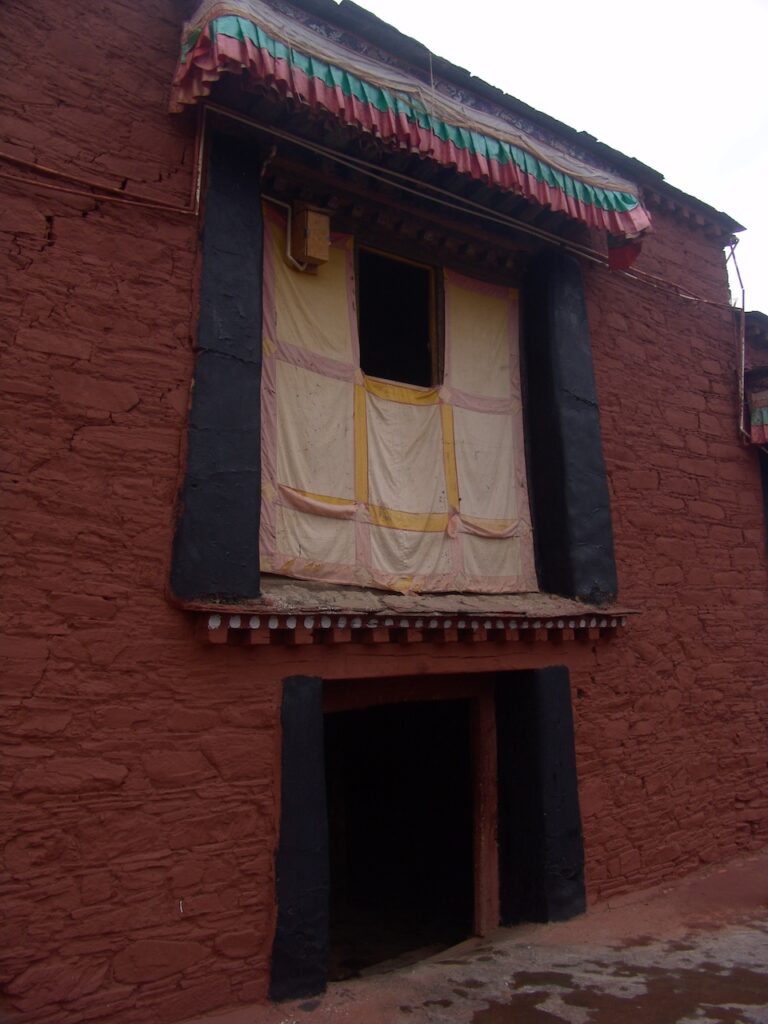
Tradruk Temple (Tibetan: ཁྲ་འབྲུག་དགོན་པ།, Wylie: khra-’brug dgon-pa, Lhasa dialect: [ʈʂʰaŋʈʂuk kø̃pa], referred to as Changzhu Monastery in Chinese) in the Yarlung Valley is the earliest great geomantic temple after the Jokhang and some sources say it predates that temple.
Tradruk Temple is located in Nêdong County of Lhoka in the Tibet Autonomous Region, about seven kilometres south of the county seat, Tsetang.
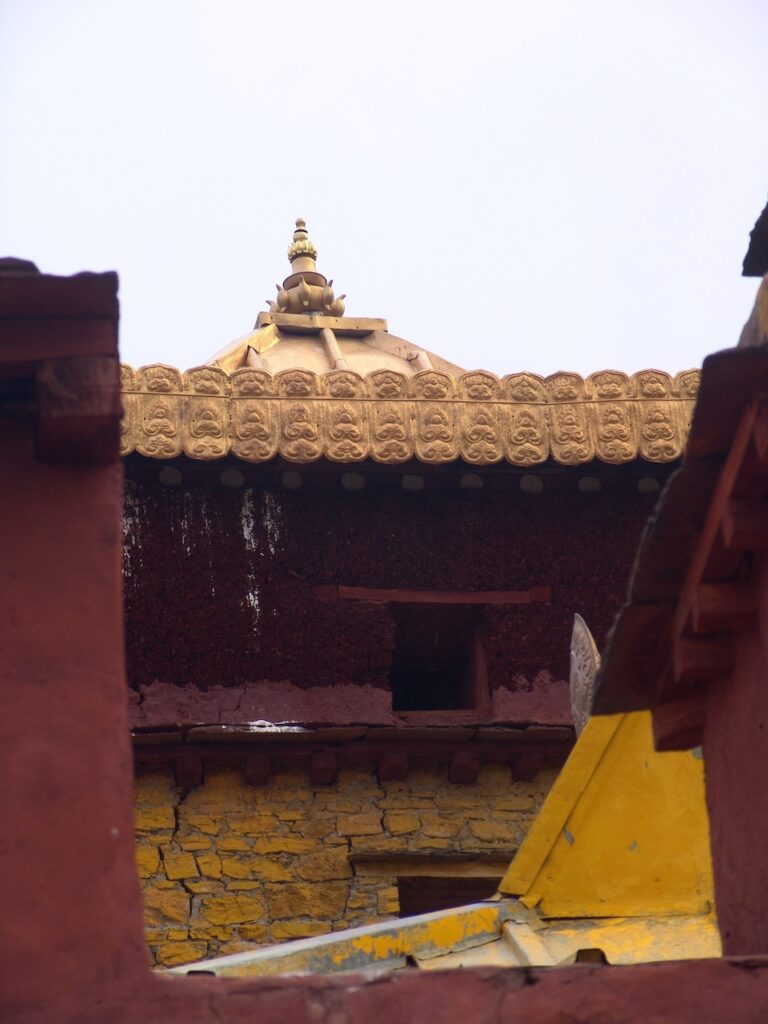
Tradruk Monastery is the largest and most important of the surviving royal foundations in the Yarlung Valley. It is said to have been founded in the 7th century under king Songtsen Gampo.
According to one legend, Tradruk was one of twelve geomantic temples, the Tadül “Border Subduers” (Tibetan: མཐའ་འདུལ་, Wylie: mtha’ ‘dul) and Yangdül “Further Taming [Temples]” (Tibetan: ཡང་འདུལ་, Wylie: yang ‘dul), that were built to hold down the huge supine ogress (Tibetan: སྲིན་མོ་, Wylie: srin mo, Sanskrit: राक्षसि rākṣasi) under Tibet: Tradruk was said to stand on her left shoulder, Katsel (Tibetan: ཀ་རྩལ་, Wylie: ka rtsal, Tibetan: བཀའ་ཚལ་, Wylie: bka’ tshal or Tibetan: བཀའ་རྩལ, Wylie: bka’ rtsal) and Gyama (Tibetan: རྒྱ་མ་, Wylie: rgya ma) in Maizhokunggar County on her right shoulder and the Jokhang in Lhasa on her heart. According to another legend, at the site of the monastery there was originally a lake inhabited by a dragonwith five heads. Songtsen Gampo was able to call a huge falconby meditation, which defeated the dragon and drank all the water of the lake, so that the temple could be built. This legend would explain the name of the temple.
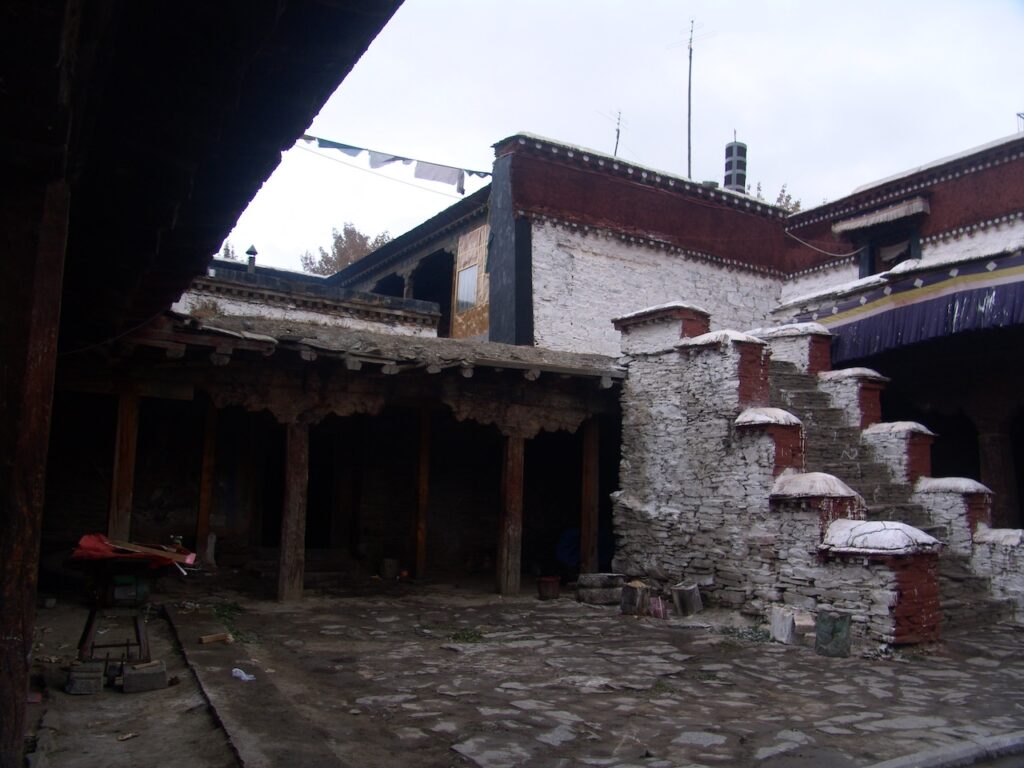
Tradruk is said to have been the second of Tibet’s earliest great geomantric temples after the Jokhang, and some sources even place it earlier. Under the rule of Trisong Detsen (755–797) and Muné Tsenpo, Tradruk was one of the three royal monasteries.
During the persecution of Buddhism under Langdarma (Wylie: glang dar ma, 841–846) and during the Mongol invasion from Dzungaria in the 16th century, the monastery was heavily damaged.
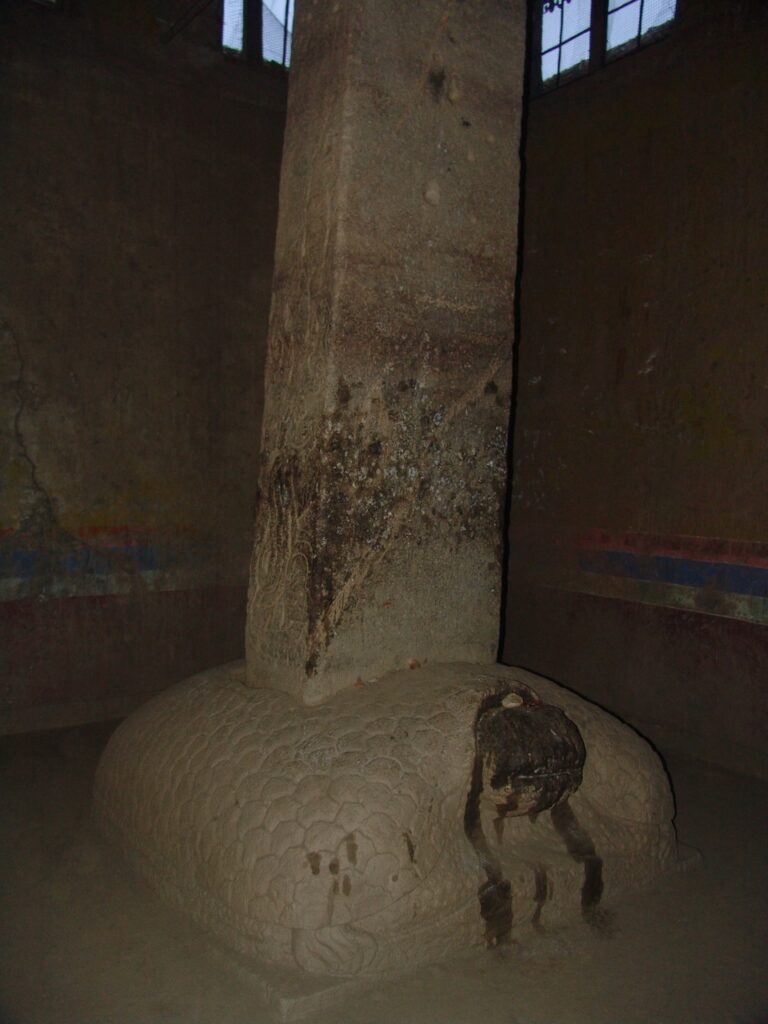
In 1351, Tradruk was restored and enlarged; during the reign of the 5th Dalai Lama (1642–1682), the monastery got a golden roof and under the 7th Dalai Lama (1751–1757), it was further expanded. In the late 18th century, Tradruk is said to have had 21 temples.
Several buildings were destroyed during the Cultural Revolution. During the 1980s, the monastery was renovated and in 1988 it was reconsecrated.[7] Today, the complex has an area of 4667 square metres and is under national protection.
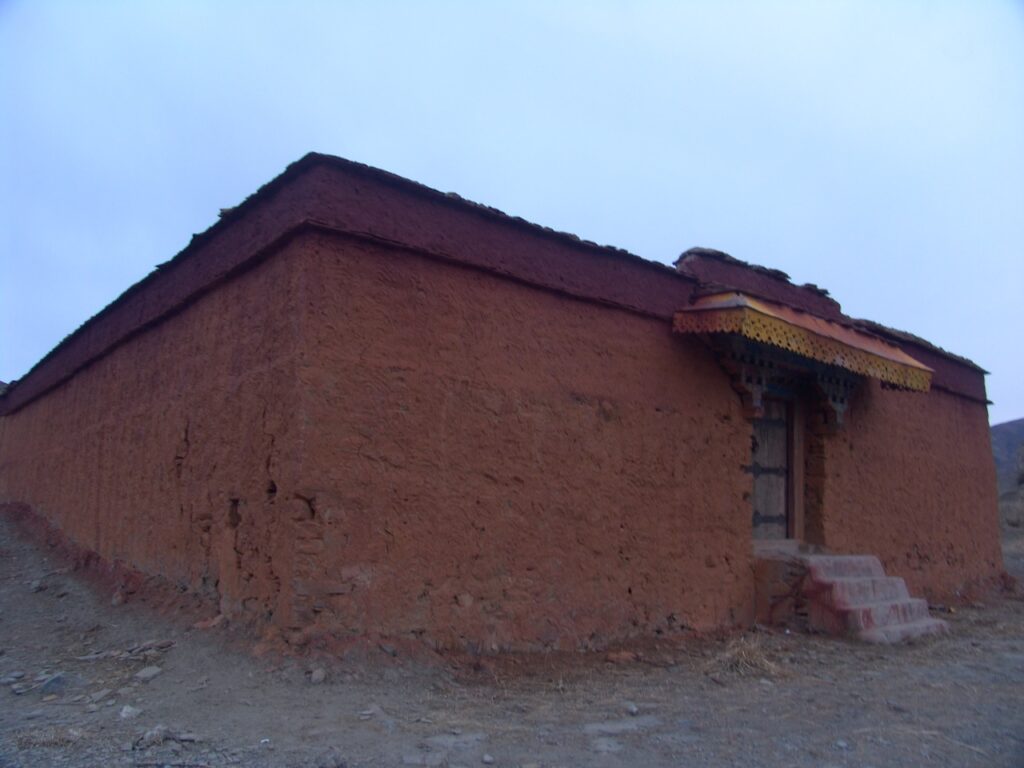
Tradruk is a stop on the Yarlung pilgrimage route called “three sanctuaries, three chortens.”[9]
Alternate names are: Trandruk, Tradruk, Tradrug, Trandrug, Trangdruk, Trhandruk, Trangdruk, Traduk, 昌珠寺, changzhu si, g.yo ru khra ‘brug bkra shis byams snyoms lha khang.
The introduction text comes from Wiki
Photo By Clint & Wilson