

Tibetans (Tibetan: བོད་པ་, Wylie: bod pa, THL: bö pa) are an East Asian ethnic group native to Tibet. Their current population is estimated to be around 7.7 million. In addition to the majority living in the Tibet Autonomous Region of China, significant numbers of Tibetans live in the Chinese provinces of Gansu, Qinghai, Sichuan, and Yunnan, as well as in Bhutan, the India, and Nepal.
The Tibetic languages belong to the Tibeto-Burman language group. The traditional or mythological explanation of the Tibetan people’s origin is that they are the descendants of the human Pha Trelgen Changchup Sempa and rock ogress Ma Drag Sinmo. It is thought that most of the Tibeto-Burman speakers in southwest China, including Tibetans, are direct descendants from the ancient Qiang people.
Most Tibetans practice Tibetan Buddhism, although a significant minority observe the Indigenous Bon religion. There are also smaller communities of Tibetan Muslims and Christians. Tibetan Buddhism influences Tibetan art, drama and architecture, while the harsh geography of Tibet has produced an adaptive culture of Tibetan medicine and cuisine.
According to the Sixth National Population Census of the People’s Republic of China (2010), there are 6,282,187 Tibetans nationwide:[19]
There are 2,716,388 people in the Tibet Autonomous Region, 1,496,524 people in Sichuan Province, 1,375,059 people in Qinghai Province, 488,359 people in Gansu Province (mostly in Gannan Tibetan Autonomous Prefecture and Bairi Tibetan Autonomous County) and 142,257 people in Yunnan Province (mostly in Diqing Tibetan Autonomous Prefecture). Tibetans account for 0.47% of the total population of the country. Tibetans account for 90.48% of the total population in Tibet Region, 24.44% of the total population of Qinghai and 1.86% of the total population in Sichuan. Of all Tibetans in China, 315,622 people live in cities, 923,177 in towns, and 5,043,388 people (80.3%) live in rural areas.

According to the Seventh Census of 2020, there are 7,060,700 Tibetans living within China. Of the resident population of the Tibet Autonomous Region, 3,204,700 were Tibetans and other ethnic minorities, of whom 3,137,900 were Tibetans, an increase of 421,500, or 15.52%, over 2010, with an average annual growth rate of 1.45%; 66,800 were other ethnic minorities, an increase of 26,300, or 64.95%, over 2010, with an average annual growth rate of 5.13%; and 6,680 were other ethnic minorities, an increase of 26,300, or 64.95%, over 2010, with an average annual growth rate of 5.13%. The average annual growth rate was 5.13%.
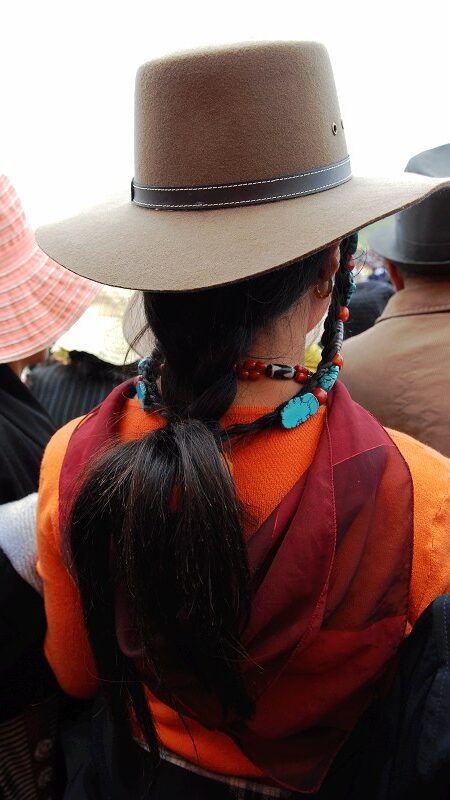
There are one region, ten prefectures, and two counties officially established by the government: the Tibet Autonomous Region (TAR), Qinghai Province (Haibei Tibetan Autonomous Prefecture, Hainan Tibetan Autonomous Prefecture, Huangnan Tibetan Autonomous Prefecture, Guoluo Tibetan Autonomous Prefecture, Yushu Tibetan Autonomous Prefecture, and Haiximenggu Tibetan Autonomous Prefecture), Sichuan Province (Aba Tibetan and Qiang Autonomous Prefecture, Ganz Tibetan Autonomous Prefecture, and Muji Tibetan Autonomous County), Gansu Province (Gannan Tibetan Autonomous Prefecture and Tianzhu Tibetan Autonomous Prefecture), and Yunnan Province (Diqing Tibetan Autonomous Prefecture)
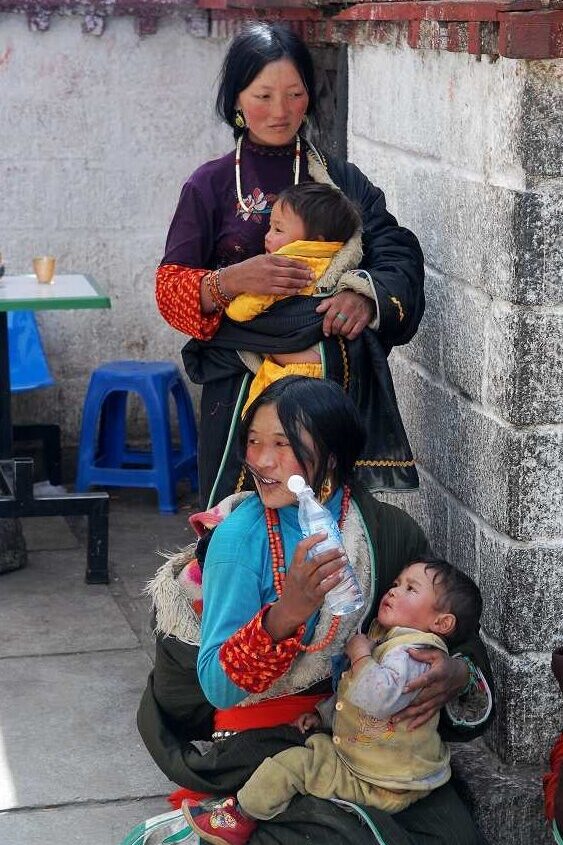
The Tibetic languages (Tibetan: བོད་སྐད།) are a cluster of mutually unintelligible Sino-Tibetan languages spoken by approximately 8 million people, primarily Tibetan, living across a wide area of East and South Asia, including the Tibetan Plateau and Baltistan, Ladakh, Nepal, Sikkim, and Bhutan. Classical Tibetan is a major regional literary language, particularly for its use in Buddhist literature. [26] The Central Tibetan language (the dialects of Ü-Tsang, including Lhasa), Khams Tibetan, and Amdo Tibetan are generally considered to be dialects of a single language, especially since they all share the same literary language, while Dzongkha, Sikkimese, Sherpa, and Ladakhi are generally considered to be separate languages.
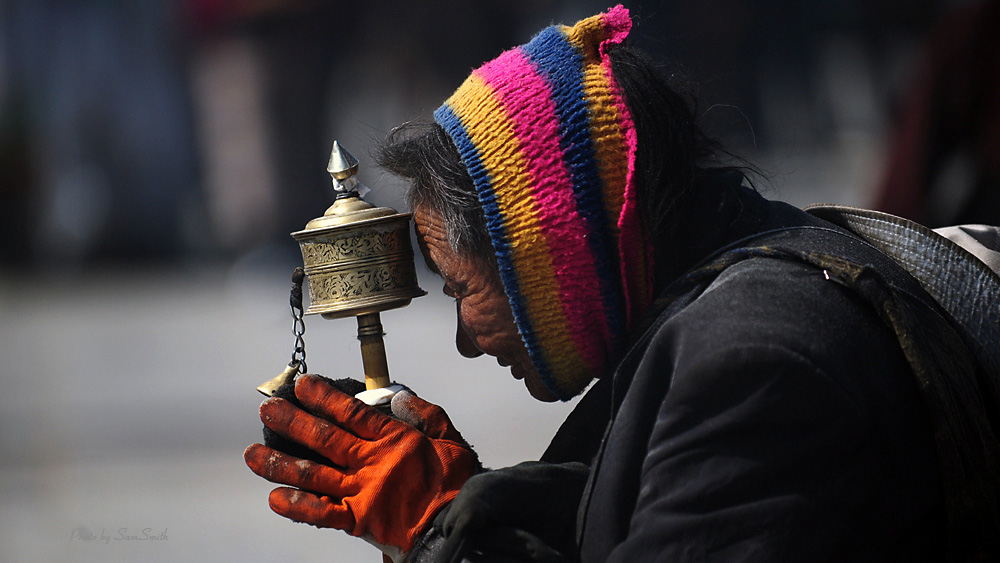
The introduction text comes from Wiki
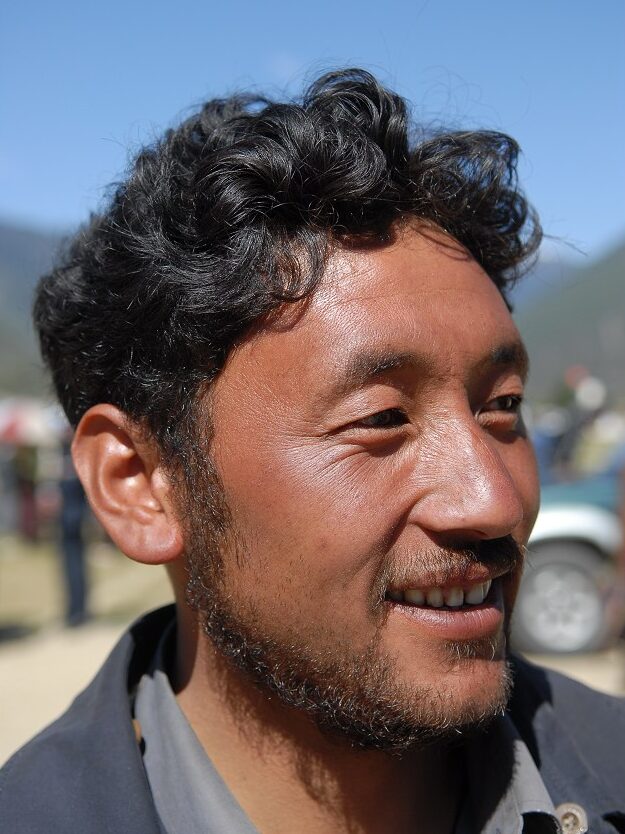
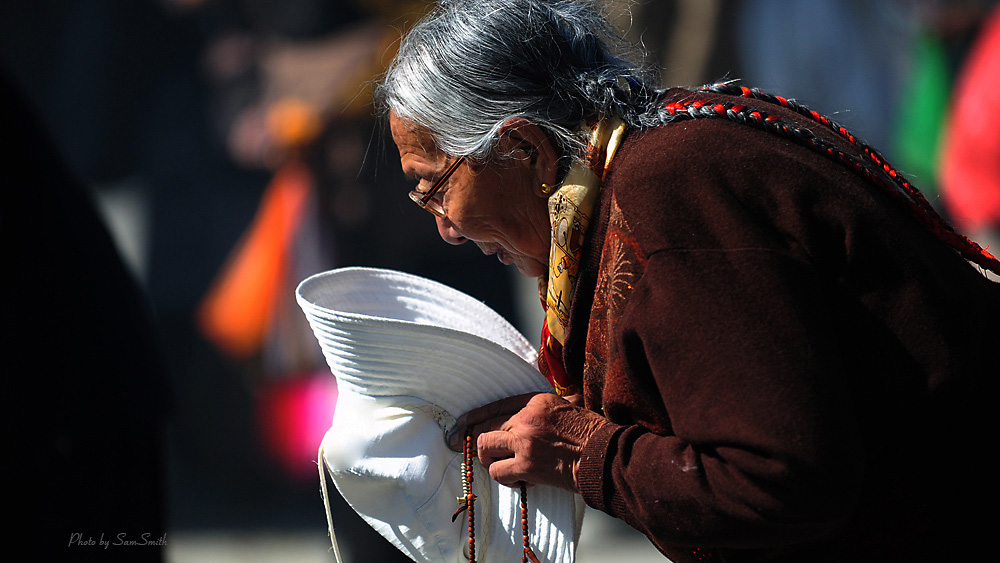
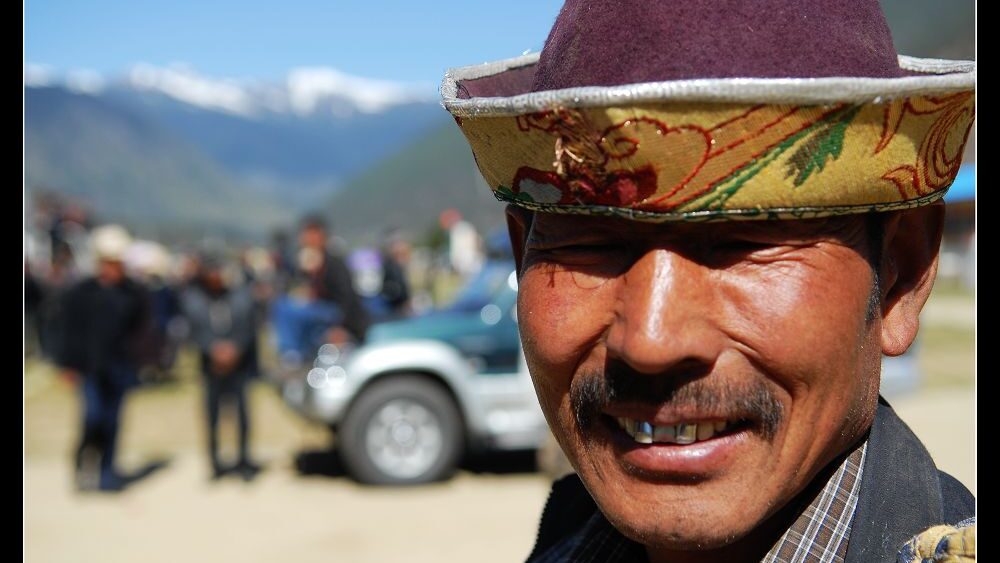
Photo By Clint & Wilson