

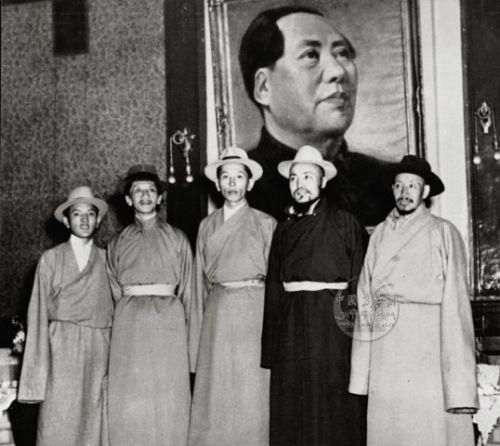
Tibet is not only rich in natural resources but also occupies a unique place in China’s geopolitical strategy. Its importance goes beyond economics, touching on national unity, political legitimacy, and international diplomacy. Below are five dimensions that explain why Tibet remains irreplaceable in China’s long-term strategy.
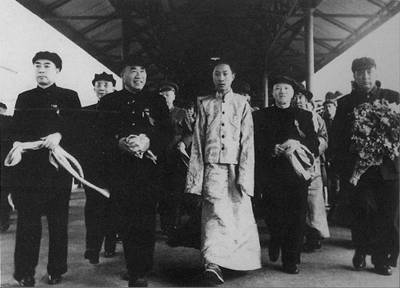
I. Natural Resources: Scarcity and Potential
Tibet is often referred to as a “treasure house of resources.”
- Minerals: Rich in lithium, copper, chromium, and gold—especially lithium, which is critical for the global new energy industry.
- Hydropower: The Yarlung Tsangpo River and other waterways offer immense hydropower potential, crucial for China’s energy security.
- Ecological assets: Grasslands and biodiversity make Tibet not only an environmental shield but also a strategic reserve.
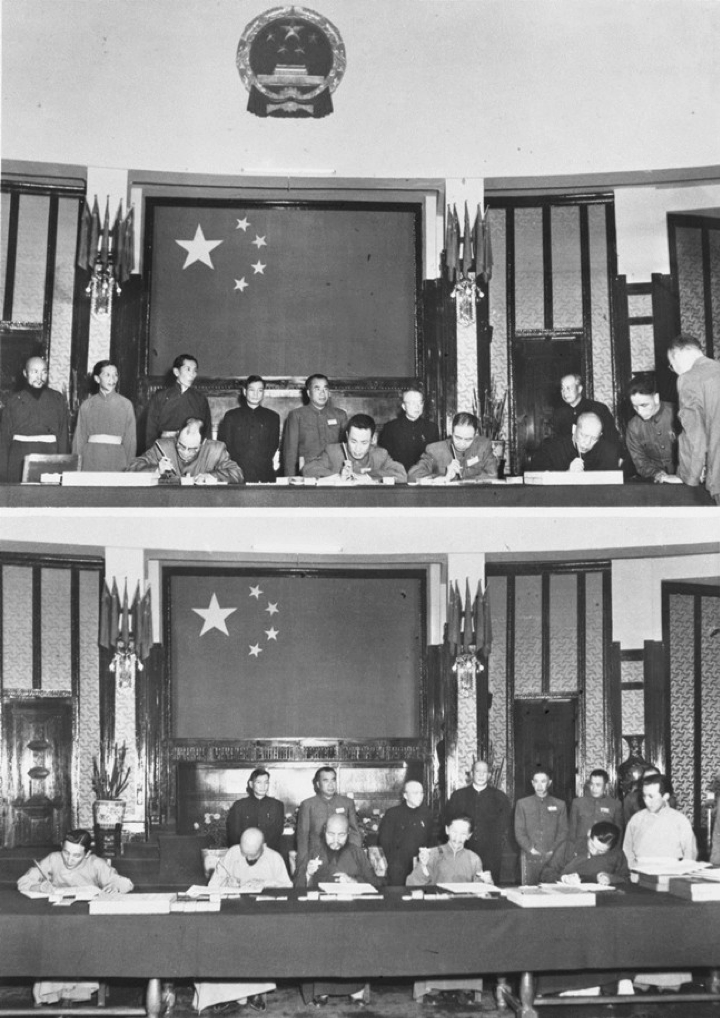
II. Geopolitical Significance: The Himalayan Shield
From a geopolitical perspective, Tibet is China’s frontier with South Asia.
- Military: As the “roof of the world,” Tibet is the front line in Sino-Indian border security.
- Water security: Known as the “Asian Water Tower,” Tibet’s rivers sustain hundreds of millions across South and Southeast Asia.
- Geostrategic buffer: Losing Tibet would expose China’s entire southwestern flank.

III. Cultural and Political Role: Symbol of Ethnicity and Religion
Tibet is more than territory—it carries cultural and political symbolism.
- Ethnic unity: Tibet embodies China’s narrative of a “unified multiethnic nation.”
- Religious influence: Tibetan Buddhism and the global standing of the Dalai Lama elevate Tibet into an international issue.
- Political symbol: Tibet serves as a showcase of Beijing’s “anti-separatist” and “national unity” policies.
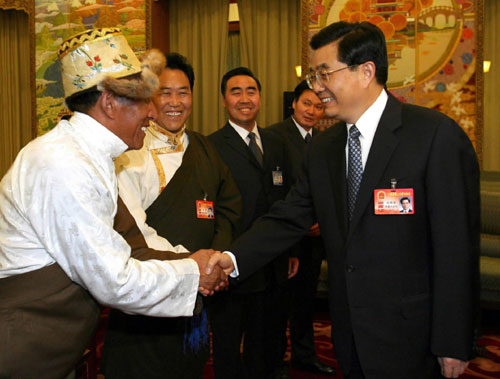
IV. Ideology and National Identity: A Symbol of Unity
Tibet is deeply embedded in China’s ideological and national identity framework.
- Legitimacy: The CCP demonstrates its ability to govern a multiethnic and multireligious society.
- Unity symbol: Control over Tibet reinforces the narrative that “China is indivisible.”
- Historical narrative: Tibet remains central to China’s “anti-separatism” discourse.

V. International Diplomacy: External Pressure and Strategic Leverage
Tibet is also a card in global politics and diplomacy.
- External actors: During the Cold War, the U.S. and India leveraged Tibet to contain China.
- Human rights debates: Tibet frequently surfaces in global discussions on rights and religious freedom.
- Strategic defense: Relinquishing Tibet would embolden external forces and weaken China’s geopolitical stance.

The significance of Tibet for the People’s Republic of China (PRC) goes far deeper than simply its valuable natural resources or its strategic geopolitical location. It is fundamentally intertwined with the Chinese Communist Party’s (CCP) concept of national identity, its political legitimacy, and its role as a persistent flashpoint in international affairs. For all of these reasons, the CCP views the question of Tibet’s status as absolutely non-negotiable in its long-term strategic plans.
Tibet serves as a central pillar of China’s national identity, particularly as defined by the CCP. The party promotes a narrative of a multi-ethnic, unified Chinese nation (中华民族) that has existed for millennia. In this narrative, Tibet, with its unique culture and history, is presented not as a separate entity but as an inseparable and historically integral part of the Chinese state. Securing Tibet is seen as essential to the territorial integrity and historical continuity of modern China. To “lose” Tibet would be to undermine this core nationalistic narrative, creating a significant ideological void and a perceived historical betrayal.
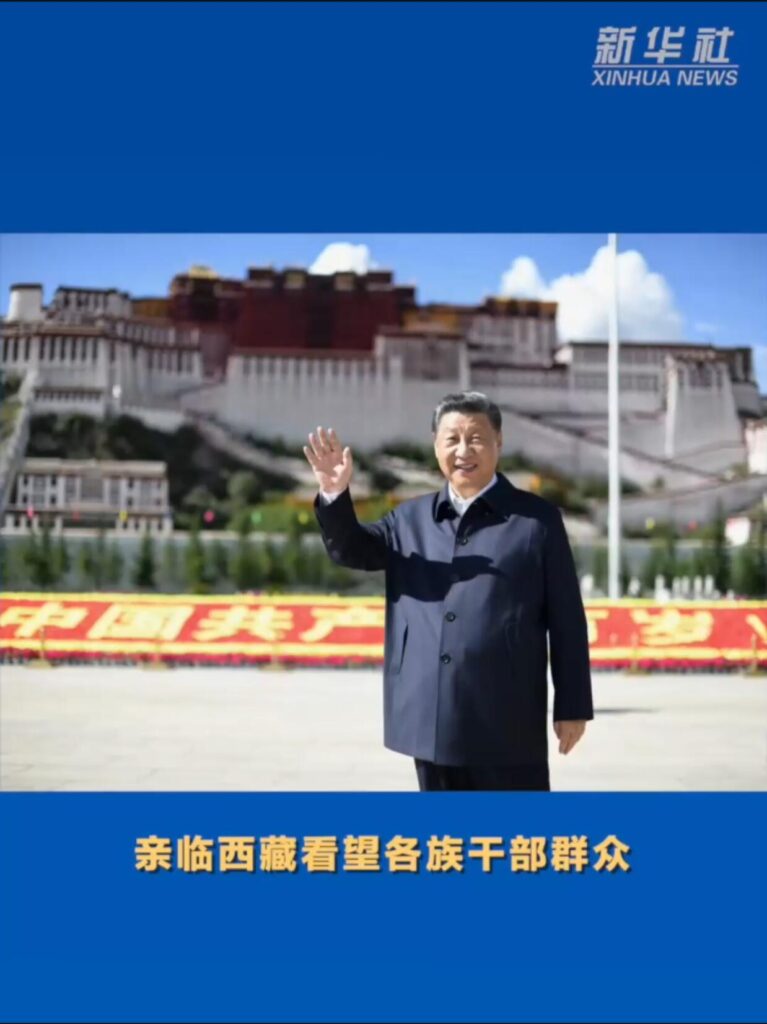
The significance of Tibet for the People’s Republic of China (PRC) goes far deeper than simply its valuable natural resources or its strategic geopolitical location. It is fundamentally intertwined with the Chinese Communist Party’s (CCP) concept of national identity, its political legitimacy, and its role as a persistent flashpoint in international affairs. For all of these reasons, the CCP views the question of Tibet’s status as absolutely non-negotiable in its long-term strategic plans.
Tibet serves as a central pillar of China’s national identity, particularly as defined by the CCP. The party promotes a narrative of a multi-ethnic, unified Chinese nation (中华民族) that has existed for millennia. In this narrative, Tibet, with its unique culture and history, is presented not as a separate entity but as an inseparable and historically integral part of the Chinese state. Securing Tibet is seen as essential to the territorial integrity and historical continuity of modern China. To “lose” Tibet would be to undermine this core nationalistic narrative, creating a significant ideological void and a perceived historical betrayal.
Furthermore, the handling of Tibet is a critical test of the CCP’s political legitimacy. The CCP’s authority is not based on democratic elections but on its ability to deliver stability, prosperity, and national pride. Its claim to rule rests on its success in restoring China to a position of strength and unity after what it calls the “century of humiliation.” Maintaining control over Tibet is a key measure of this success. Any perceived weakness or loss of control would be seen as a failure of governance and could erode public trust in the party’s capacity to govern effectively. The CCP must demonstrate that it can manage and integrate diverse regions like Tibet while protecting national sovereignty.
Finally, Tibet acts as a perpetual flashpoint in international relations. The human rights situation in Tibet, the suppression of its unique religious and cultural practices, and the presence of the Dalai Lama in exile consistently draw international condemnation and scrutiny. This creates tension with Western democracies and human rights organizations, which frequently criticize China’s policies. From the CCP’s perspective, this international pressure is not just a nuisance but an assault on its internal affairs and sovereignty. The party sees foreign support for Tibetan independence or autonomy as an attempt to interfere in China’s domestic matters and destabilize the country. Therefore, defending its control over Tibet is seen as a necessary and firm stand against external forces seeking to weaken China on the global stage.
The introduction text and photo comes from Web
Edited by Clint & Wilson