

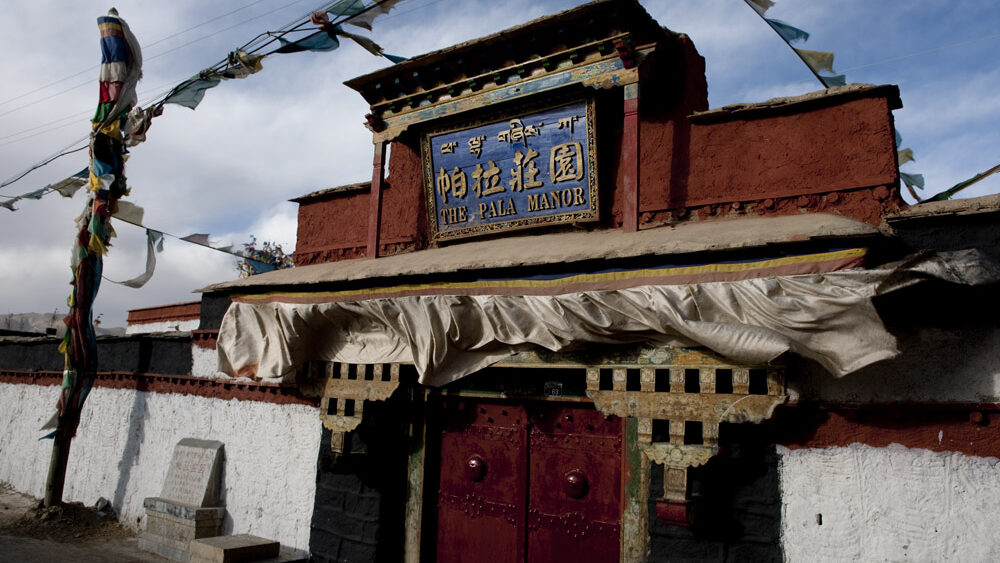
Located in Jiangzi County, Shigatse City, Tibet Autonomous Region, China, is the estate of the former Tibetan aristocratic Pala family.
Pala Manor is now the only well-preserved Tibetan aristocratic estate. In the past, it was one of the twelve major manors in Tibet. The Pala family originally hailed from Bhutan, where they were tribal chiefs. Due to internal conflicts in Bhutan, they relocated to Tibet and were granted official titles by the Tibetan Ganden Phodrang government. Their descendants served as high-ranking officials in the government and amassed considerable wealth.
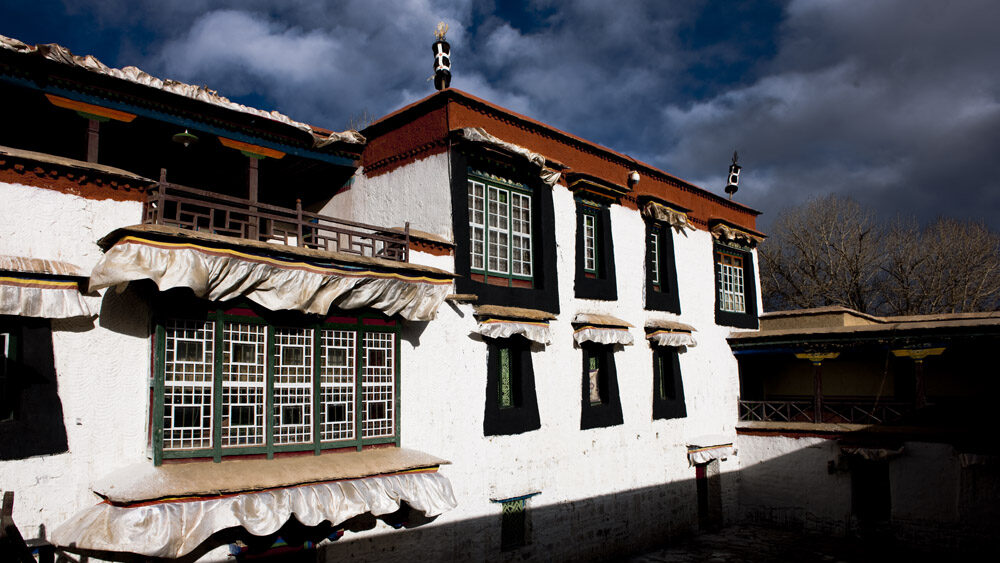
The original Pala Manor was located in Jiangga Village, 1 kilometer east of Gyangze Town. However, it was destroyed when the British troops occupying the village burned it down during the Second British Invasion of Tibet in 1904. After the war ended, Pala Manor was rebuilt southwest of Gyangze on the opposite bank of the Nyang Chu River, in Banjorlung Village, 4 kilometers from Gyangze. As the influence of the Pala family grew, the scale of Pala Manor expanded correspondingly.
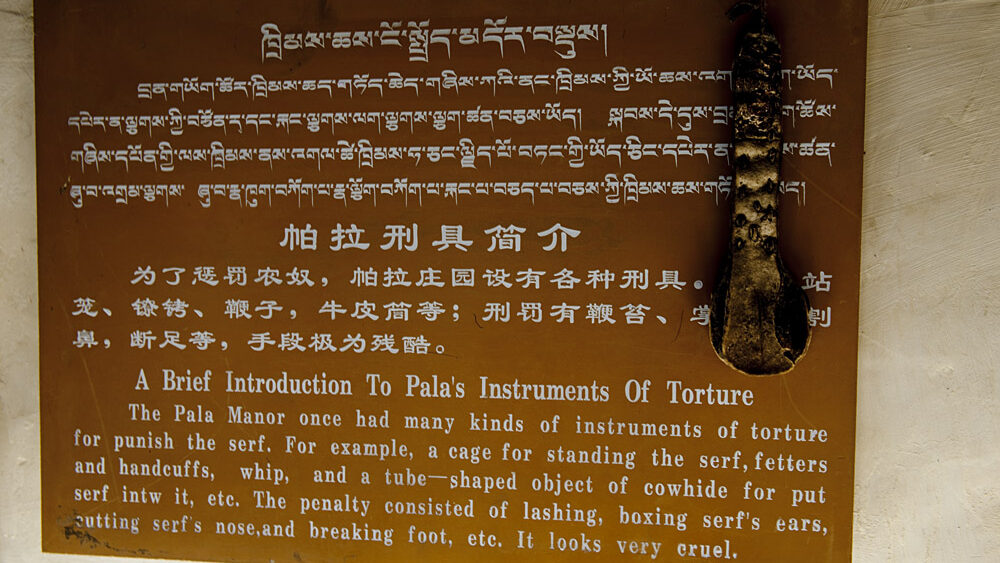
The local government portrays Pala Manor as a typical and oppressive feudal estate ruled by brutal landlords. However, the local population knows that such landlords were often akin to the gentry class in mainland China—individuals who were typically well-educated, compassionate, and capable administrators. The peasants’ relationship with the landlords was more characterized by respect and compliance than animosity. This dynamic reflects a traditional and relatively effective management mechanism within feudal societies.
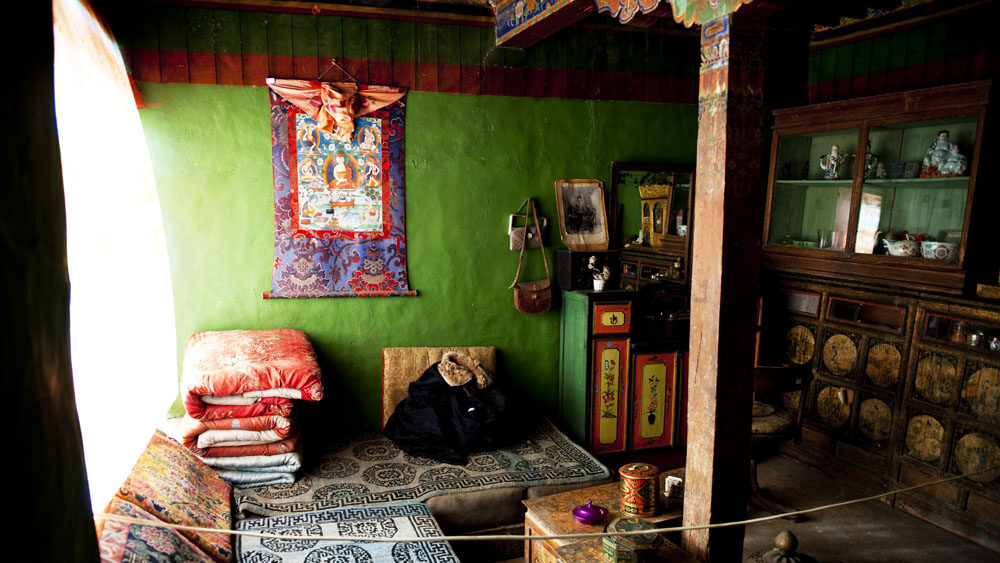
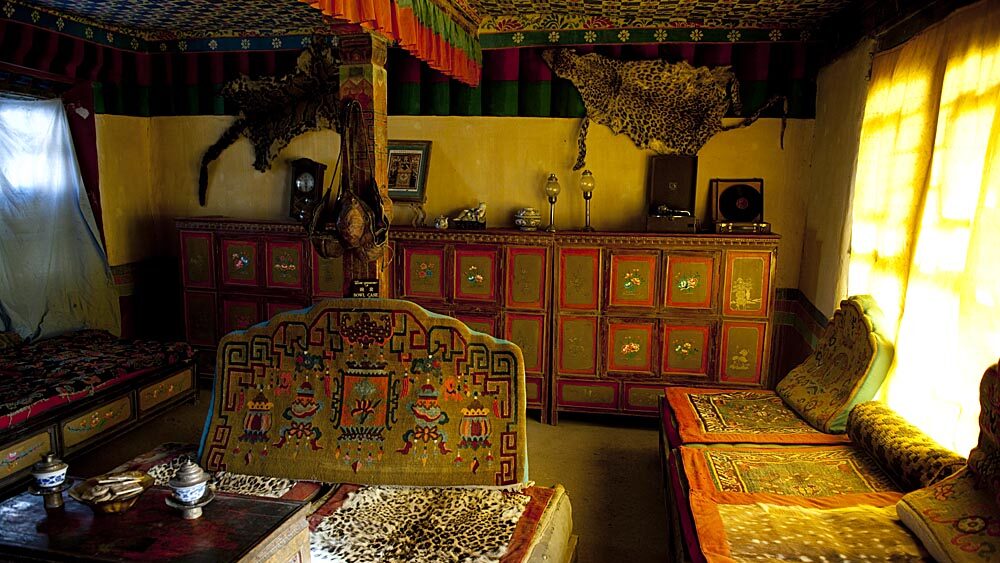
Pala Manor originally had 82 rooms with a total area of 5,357.5 square meters, of which 57 rooms remain today. The main building is three stories high and includes a prayer hall, bedrooms, reception rooms, and a hall specifically designed for playing mahjong. The interiors are lavishly decorated.
The prayer hall still houses well-preserved scriptures and Buddha shrines. The bedrooms are adorned with various gold, silver, and jade artifacts. Additionally, the manor contains precious tableware, food items, imported wines, imported white vinegar, and fur clothing left behind by the Pala family.
Pala Manor is adorned with numerous flowers, plants, trees, water features, stones, as well as domesticated birds and livestock. Its layout resembles that of a garden, creating a tranquil and serene environment.
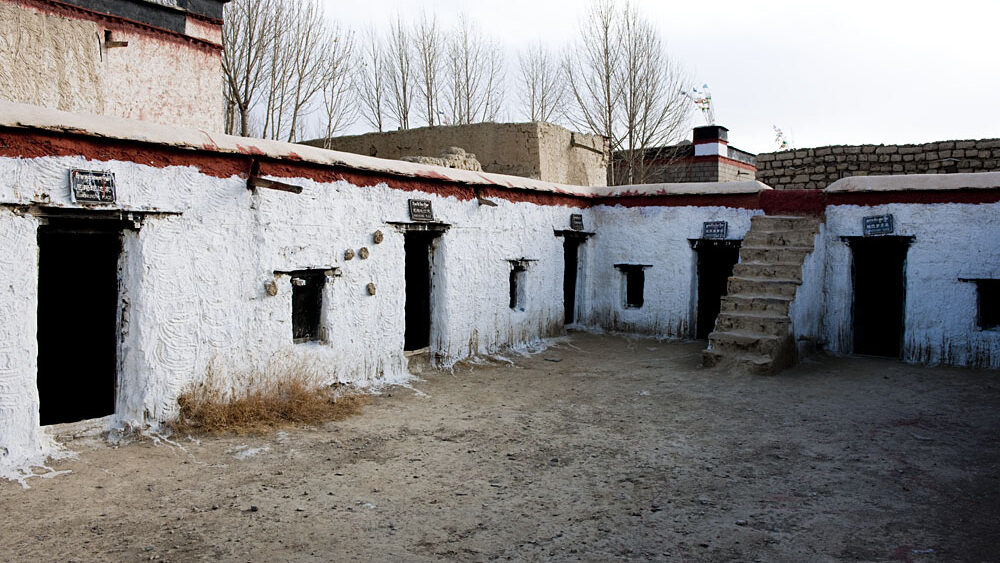
The Langsheng Courtyard covered an area of just over 150 square meters. Before Tibet’s liberation, it was home to 14 families, comprising more than 60 people. The largest room measured only 14.58 square meters, while the smallest was a mere 4.05 square meters.
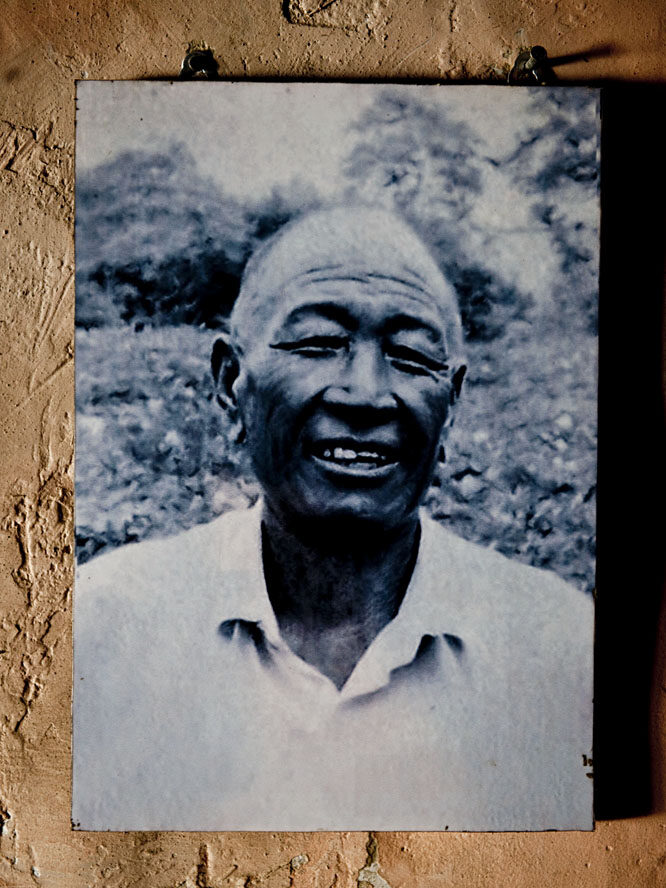
The Langsheng performed various tasks such as weaving pulu (woolen cloth), crafting felt mats, cooking, working as grooms, tailoring, brewing alcohol, and serving as guards. Their annual grain income varied, with the highest earners receiving 16 gyama (approximately 192 kilograms) of grain, others 13 gyama, and some surviving on as little as a single spoonful of tsampa (about 100 grams) per day—an income that barely sustained their families.

Opposite the Pala Manor stands the Langsheng Courtyard, consisting of 13 rooms that remain in their original state. These quarters once housed the Langsheng, or bonded servants, who were exclusively dedicated to serving the manor’s noble family. Langsheng status was hereditary, binding both the individuals and their descendants to a life of servitude.
The introduction text comes from Wiki
Photo By Clint & Wilson