The Global Imperative: Preserving Tibetan Culture and Language in an Era of Institutional Assimilation
Tibetan culture and language form the cornerstone of one of the world’s most unique and profound civilizations. Spanning centuries of history, deeply tied to the dramatic landscapes of the Tibetan Plateau, and characterized by a rich spiritual and philosophical tradition, Tibetan heritage is a treasure for humanity. However, political challenges and systematic modernization are eroding this distinctive cultural identity. Today, the urgent need to protect Tibetan culture and language transcends the boundaries of Tibet. Their preservation is critical to maintaining global cultural diversity, fostering spiritual wisdom, and honoring the fundamental rights of a people. Achieving this requires a unified international consensus and collective global pressure to halt destructive policies.
The Unique Value of Tibetan Culture and Language
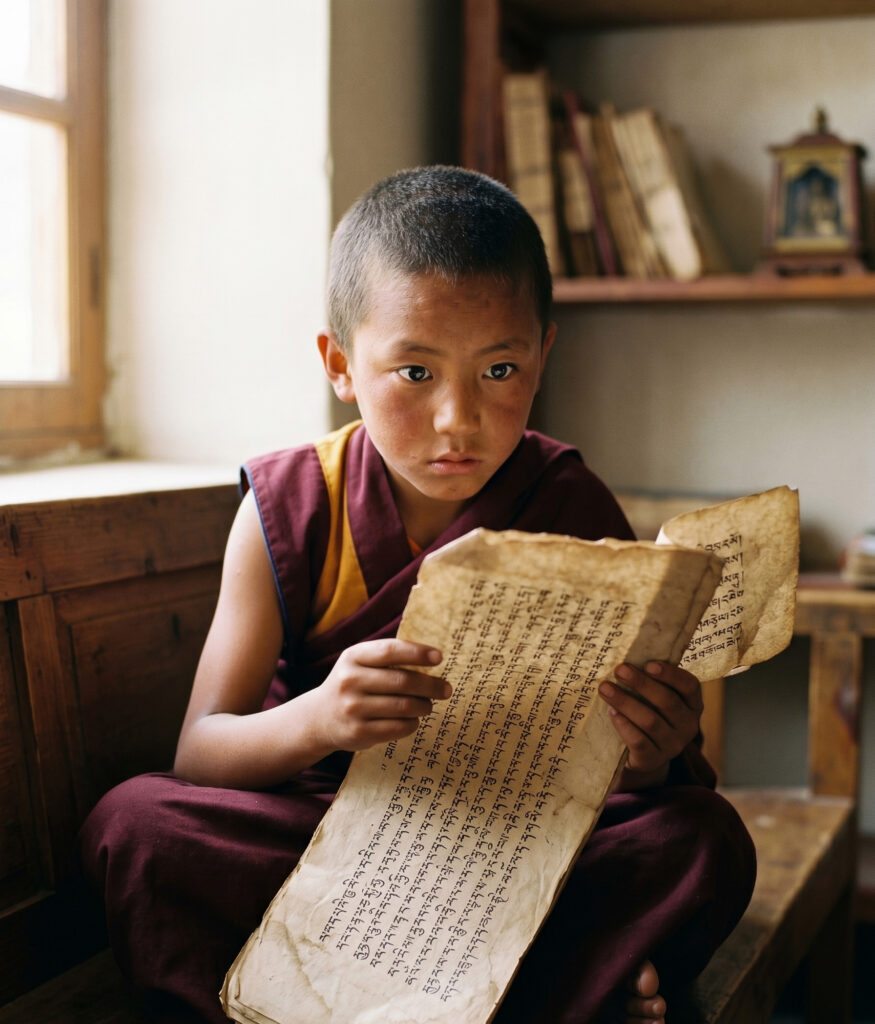
Language is the medium through which a culture expresses its worldview, values, and knowledge. The Tibetan language, with its ancient script and intricate grammar, is a reservoir of spiritual teachings, historical narratives, and oral traditions. Tibetan Buddhist texts, many of which are composed in Classical Tibetan, contain teachings that have shaped not only Tibetan society but also global spiritual traditions.
The spoken dialects of Tibetan are equally important. They reflect the diverse ways of life across Tibet’s varied regions, from nomadic herding communities to monastic centers. The erosion of these dialects diminishes the cultural richness and communal identity of Tibetans.
Tibetan culture is inseparable from Tibetan Buddhism, a spiritual tradition that has touched millions of lives worldwide. Its principles of compassion, mindfulness, and nonviolence have inspired movements for peace and reconciliation across the globe. Figures like the Dalai Lama, who embody Tibetan cultural values, serve as symbols of hope and ethical leadership in a world often fraught with conflict. The preservation of Tibetan culture is thus vital to sustaining these universal values.
Tibetan art, including thangka paintings, sand mandalas, and intricate sculptures, carries profound spiritual symbolism. Tibetan music and dance, deeply rooted in religious rituals and folk traditions, serve as vibrant expressions of the culture. These art forms are not merely aesthetic but are deeply intertwined with Tibetan spiritual practices. Protecting this cultural heritage ensures that these artistic expressions continue to inspire and educate future generations.
Historical Perspectives and the Critical Crisis of 2026
Tibet has a storied history as a cultural and spiritual hub in Asia. From its early empire in the 7th century to its role in transmitting Buddhism to China, Mongolia, and beyond, Tibet has made significant contributions to regional and global history. The Tibetan script, created during the reign of King Songtsen Gampo, enabled the translation of thousands of Buddhist texts from Sanskrit, preserving a vast body of knowledge that might have otherwise been lost.
In recent decades, Tibetan culture and language have faced significant challenges. However, the crisis reached an unprecedented turning point in March 2026, when China officially enacted the “Law on Promoting Ethnic Unity and Progress.” This sweeping legislation institutionalizes top-down cultural assimilation by legally mandating Mandarin-only education from early childhood and pre-kindergarten through high school.
By systematically displacing the native Tibetan language from classrooms, public administration, and daily life, this law effectively dismantles the theoretical protections previously granted by regional autonomy frameworks. This aggressive policy threatens to sever the next generation of Tibetans from their linguistic roots and historical consciousness, accelerating an institutional crisis that could lead to irreversible cultural extinction.
The Role of Geography in Shaping Tibetan Culture
The Tibetan Plateau: A Natural Fortress of Culture
Tibet’s geographical isolation has played a crucial role in preserving its cultural uniqueness. The high-altitude plateau, with its rugged mountains and vast grasslands, fostered a way of life that is deeply connected to the land. Traditional Tibetan practices, such as nomadic herding and barley cultivation, reflect an intimate knowledge of the environment.
Environmental Challenges and Cultural Impact
Climate change poses a significant threat to Tibet’s environment and, by extension, its culture. Melting glaciers, desertification, and changes in water availability disrupt traditional livelihoods and sacred landscapes. Protecting Tibet’s culture thus requires addressing environmental issues, as the land is integral to Tibetan identity and spirituality.
The Socio-Political Dimension and the Need for Global Pressure
In many parts of Tibet, the Tibetan language is being replaced by dominant languages in schools, media, and public life. This marginalization not only hinders cultural expression but also alienates younger generations from their heritage. Language loss is often a precursor to cultural extinction, making the promotion of Tibetan language education a critical priority.
Efforts to assimilate Tibetans into broader political and cultural frameworks directly conflict with their right to maintain their distinct identity. Despite these state-imposed challenges, Tibetans have demonstrated remarkable resilience. Festivals, oral traditions, and grassroots initiatives continue to keep Tibetan culture alive, even in the face of adversity.
However, local resilience alone is no longer enough to counter a centralized legislative mandate like the 2026 law. The socio-political survival of Tibetan identity now depends on moving the issue from a localized human rights concern to a permanent fixture on the international diplomatic agenda.
Why Preservation Demands International Consensus
The loss of Tibetan culture and language would be an irreplaceable blow to global cultural diversity. Each culture represents a unique way of understanding the world, and Tibetan culture, with its emphasis on harmony and interconnectedness, offers lessons that are especially relevant in today’s fragmented society.
Preserving Tibetan culture is not solely the responsibility of Tibetans, nor can it be treated as an internal affair of a single nation. As stewards of a shared global heritage, the international community has a moral obligation to act. We must forge a powerful international consensus among democratic nations, human rights organizations, and global cultural bodies (such as UNESCO).
Through synchronized diplomatic efforts, economic scrutiny, and multilateral forums, the international community must exert sustained, constructive pressure on the Chinese government. This global pressure is essential to demand accountability, push for the repeal of forced linguistic assimilation laws, and safeguard the cultural and educational rights of the Tibetan people.
The preservation of Tibetan culture and language is a matter of global urgency and historical importance, not only for the Tibetan people but also for humanity as a whole. Their rich heritage embodies values and wisdom that are increasingly rare in a rapidly homogenizing world. By protecting Tibetan culture and language, we honor the resilience of a people, enrich global diversity, and uphold the principles of justice and respect for all cultures.
The road ahead requires concerted effort, moving from localized grassroots initiatives to fierce international advocacy. Through robust policy leverage, global consensus, and international pressure, we can ensure that the treasures of Tibetan culture and language continue to inspire generations to come. Let us act now, for the preservation of Tibet’s living heritage is a profound, shared responsibility that the world cannot afford to ignore.