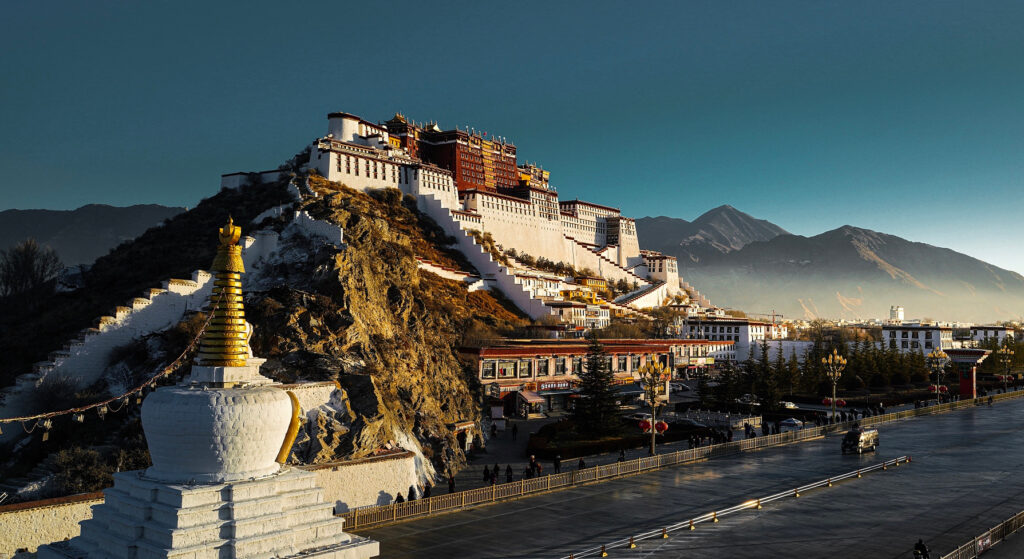
Tibetan architecture is a distinctive blend of practicality, spirituality, and artistic expression, shaped by the region’s high-altitude environment and deep-rooted Buddhist culture. Found across the Tibetan Plateau and in Tibetan-inhabited areas of China, these structures reflect centuries of adaptation to harsh climates, religious devotion, and community life.
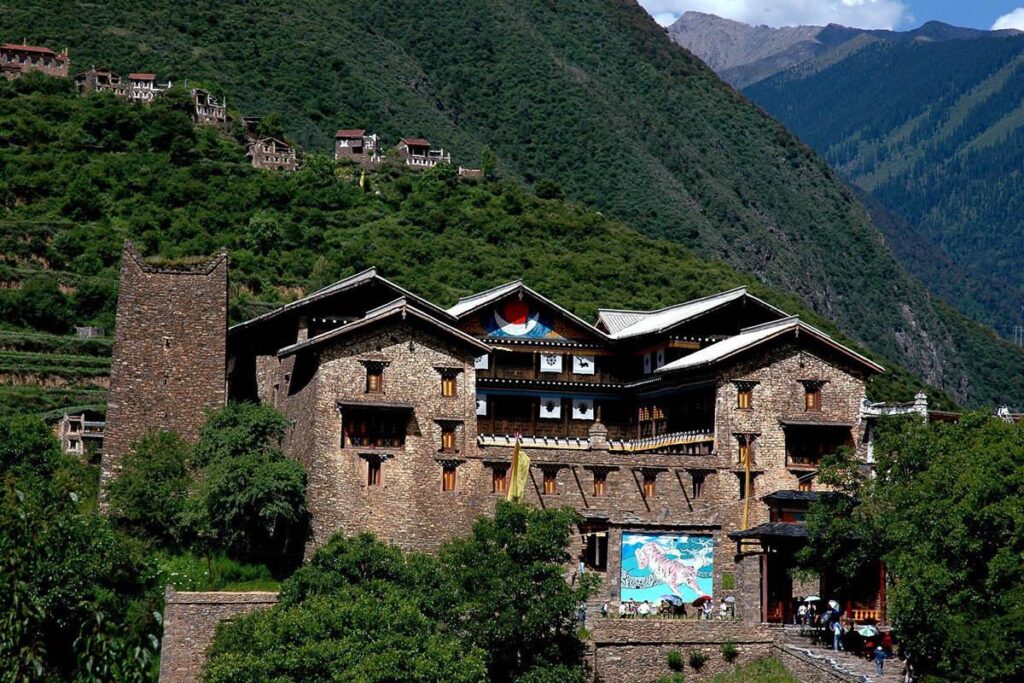
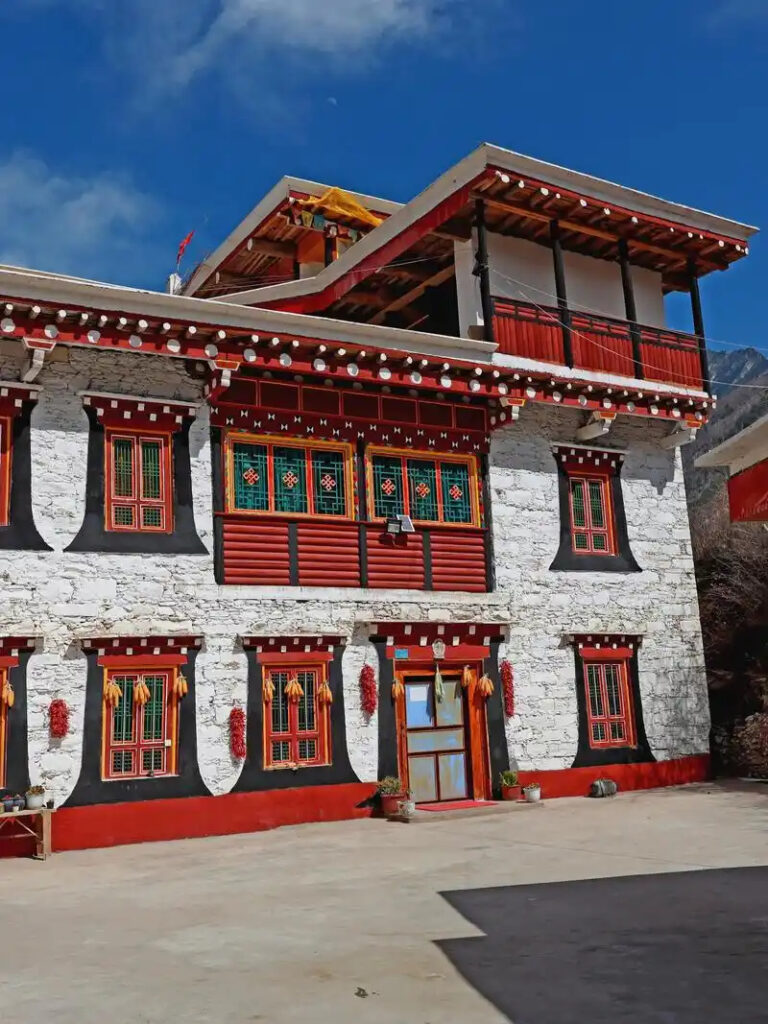
Materials and Structure Most Tibetan buildings are constructed from locally available materials such as stone, rammed earth, and wood. Walls are often thick and slightly sloped, helping to withstand strong winds and heavy snow while keeping interiors warm in winter and cool in summer. Flat roofs are common, designed for drying crops and storing goods, though in areas with more precipitation, slanted roofs may appear.
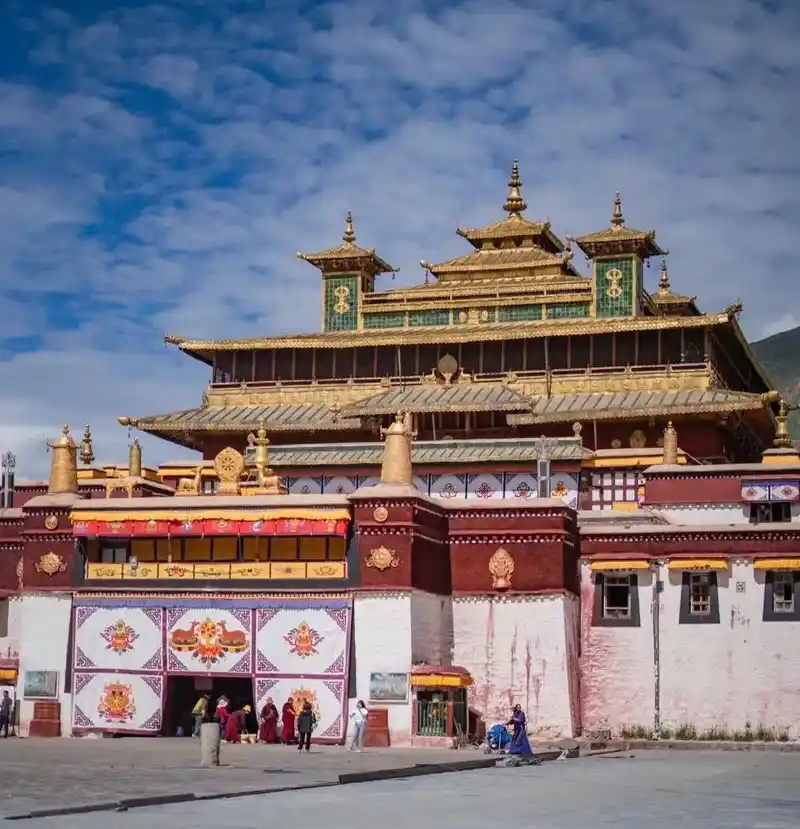
Color and Symbolism Tibetan architecture is rich in symbolism. Exterior walls are frequently painted white, symbolizing purity, while window frames and doors are adorned with bold colors like red, yellow, and blue, representing various Buddhist elements. Carvings, murals, and decorative patterns often feature lotus flowers, auspicious symbols, and mythical creatures. Prayer flags fluttering from rooftops add movement and spiritual meaning to the scene.
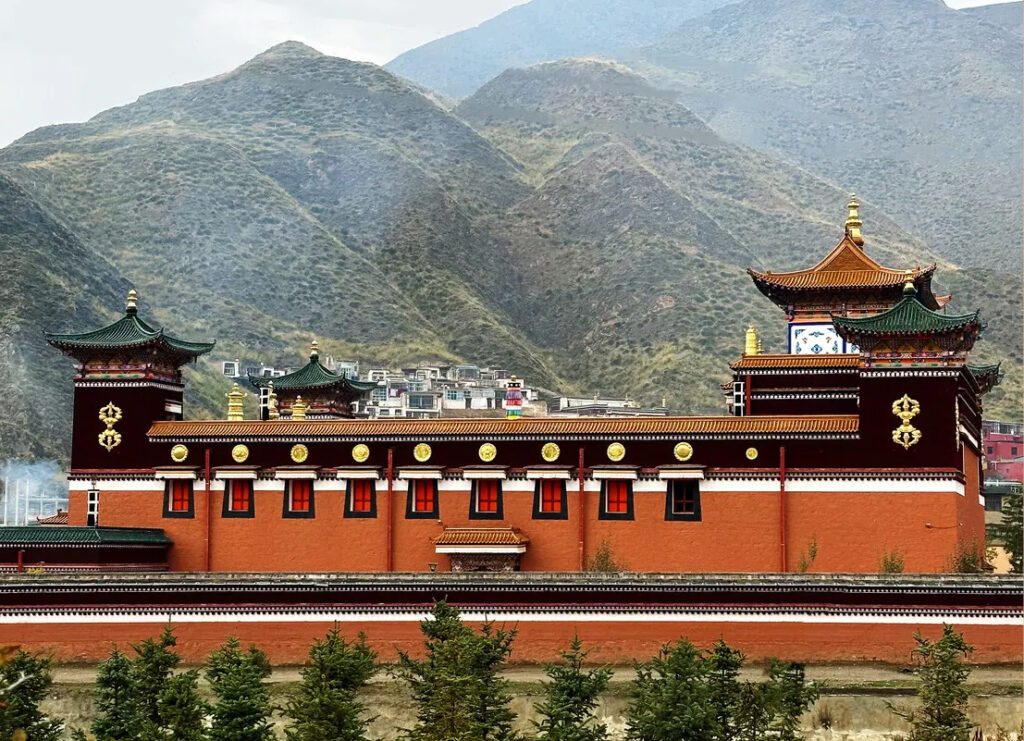
Religious Structures Monasteries, stupas (chorten), and temples are the most iconic forms of Tibetan architecture. These structures are not only places of worship but also cultural centers, housing sacred texts, statues, and relics. The layout often follows a mandala-like arrangement, reflecting Buddhist cosmology. Interiors are dimly lit by butter lamps, with walls covered in colorful thangka paintings.
Fortified and Residential Buildings In addition to religious architecture, Tibet is home to distinctive residential and defensive structures such as multi-story family houses, watchtowers, and fortress-like palaces, the most famous being the Potala Palace in Lhasa. These buildings combine utility with grandeur, often serving as both homes and symbols of social status.
Tibetan architecture, with its striking silhouettes, symbolic colors, and spiritual depth, remains a powerful expression of the culture and beliefs of the Tibetan people. It is both a testament to human resilience in extreme environments and a living art form that continues to inspire admiration worldwide.