
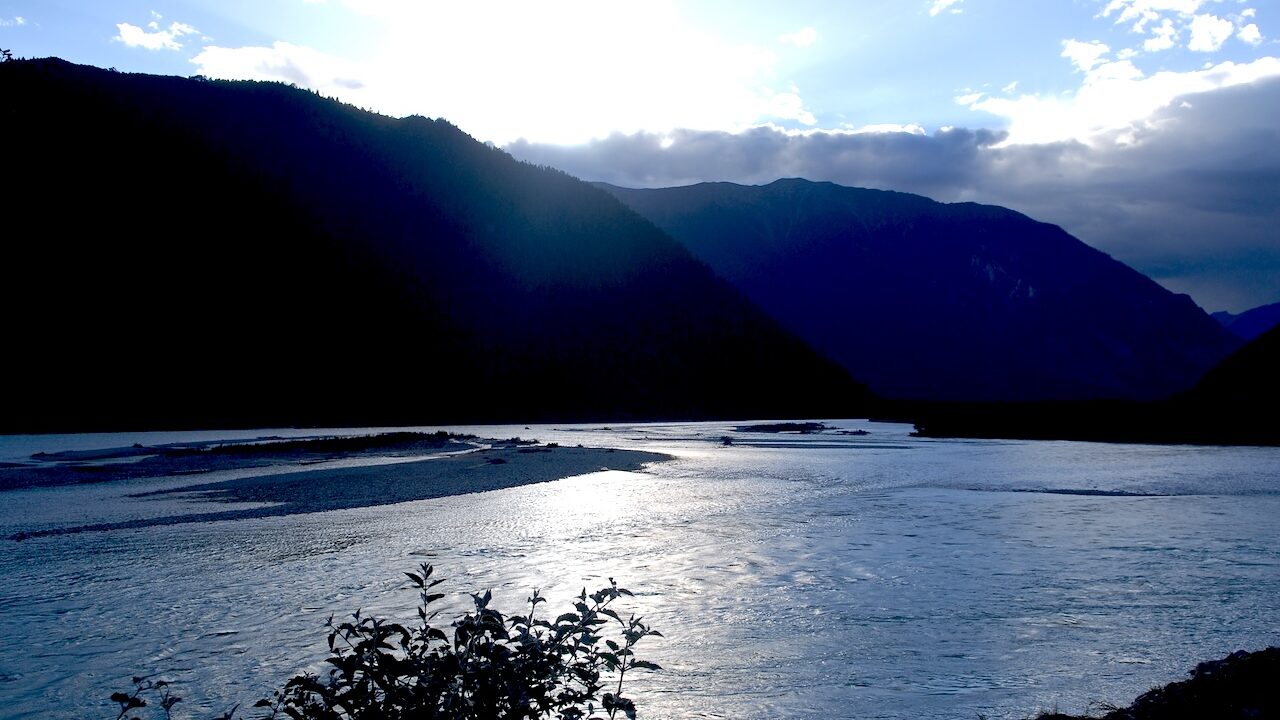
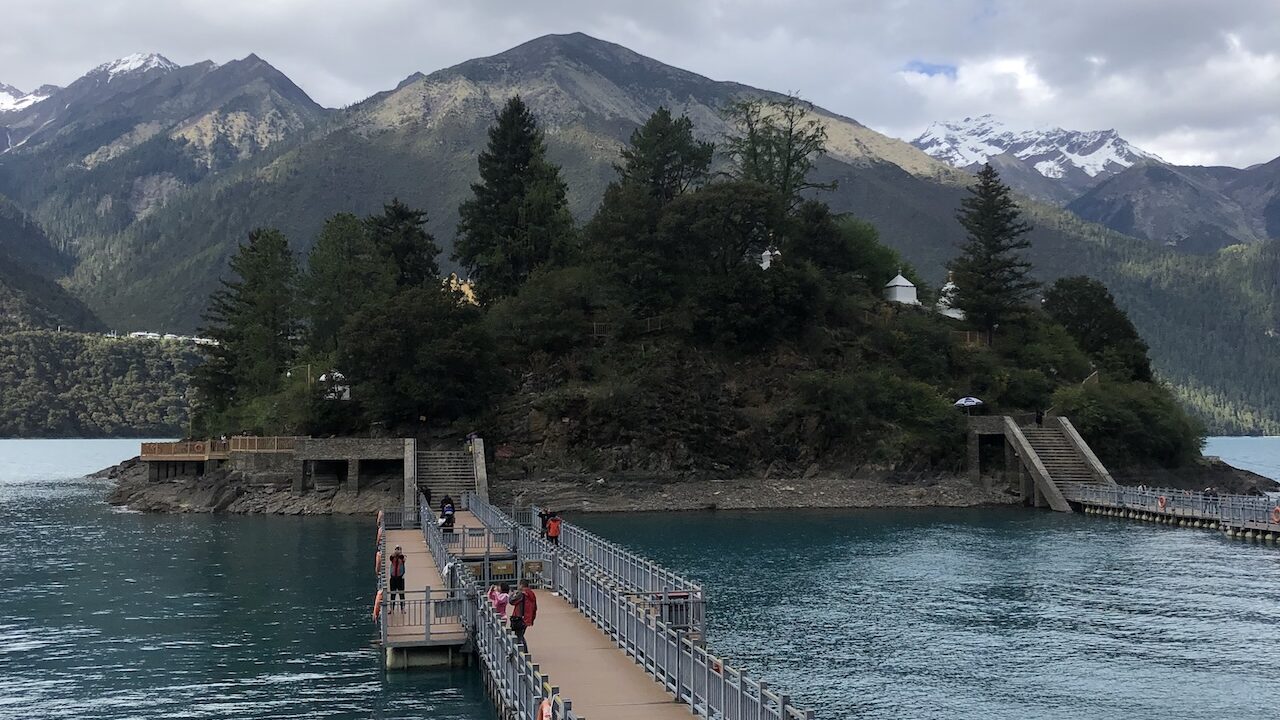
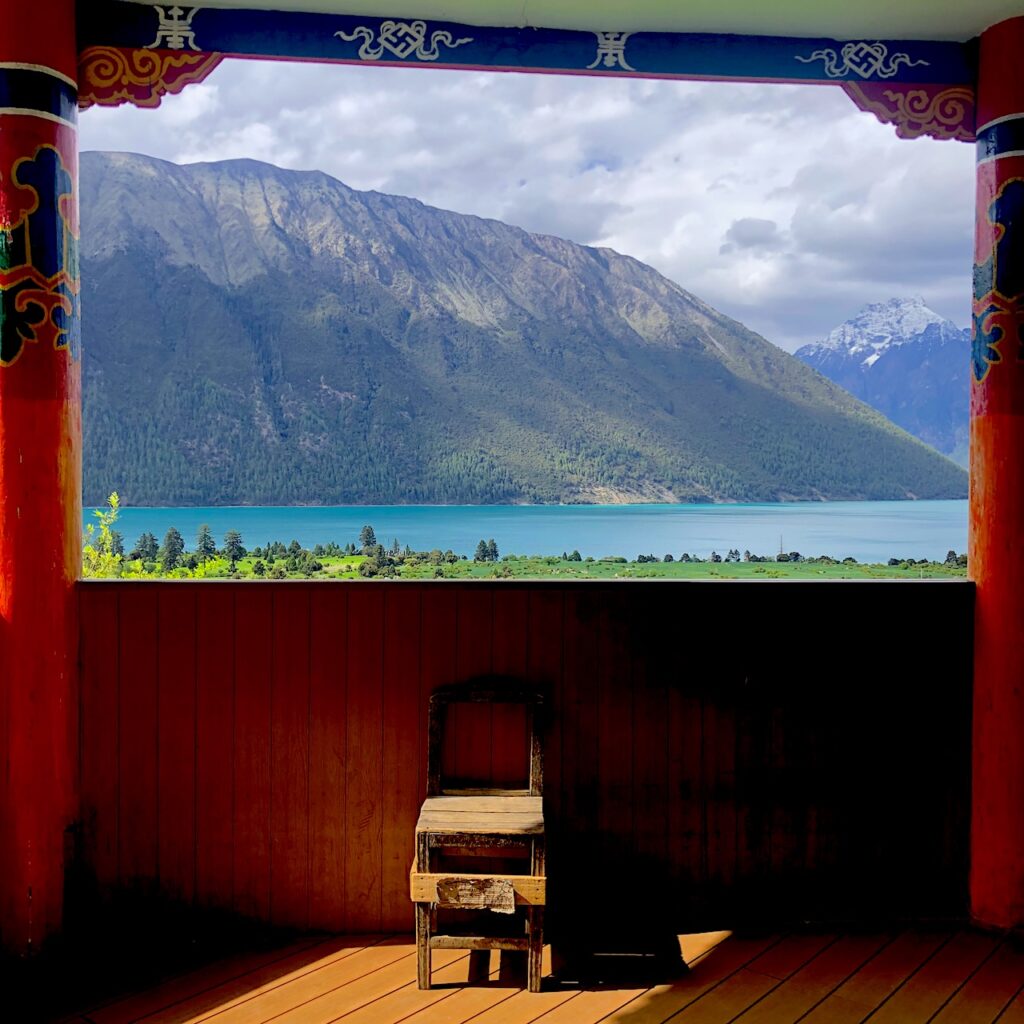
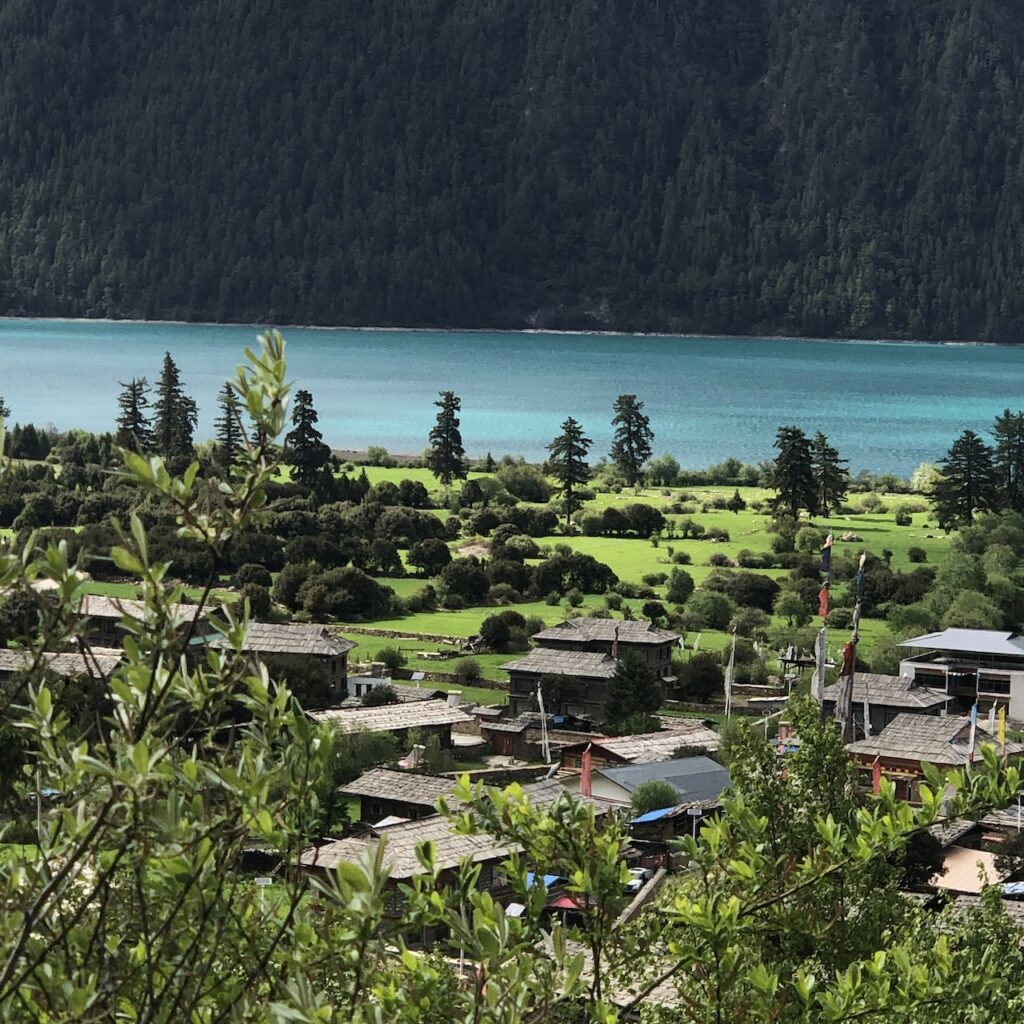
Dragsum Tsho (Tibetan: བྲག་གསུམ་མཚོ་, Wylie: brag gsum mtsho, THL: Draksum Tso, Pagsum Co (simplified Chinese: 八松错, 巴松措; traditional Chinese: 八松錯; pinyin: Bāsōng Cuò), literally meaning “three rocks” in Tibetan, is a lake covering 28 square kilometres in Gongbo’gyamda County, Nyingchi of the Tibet Autonomous Region, China, approximately 300 km (190 mi) east of Lhasa. At 3,700 metres over sea level it is about 18 km long and has an average width of approximately 1.5 km (0.93 mi). The deepest point of the green lake measures 120 metres. The lake is also known as Gongga Lake.
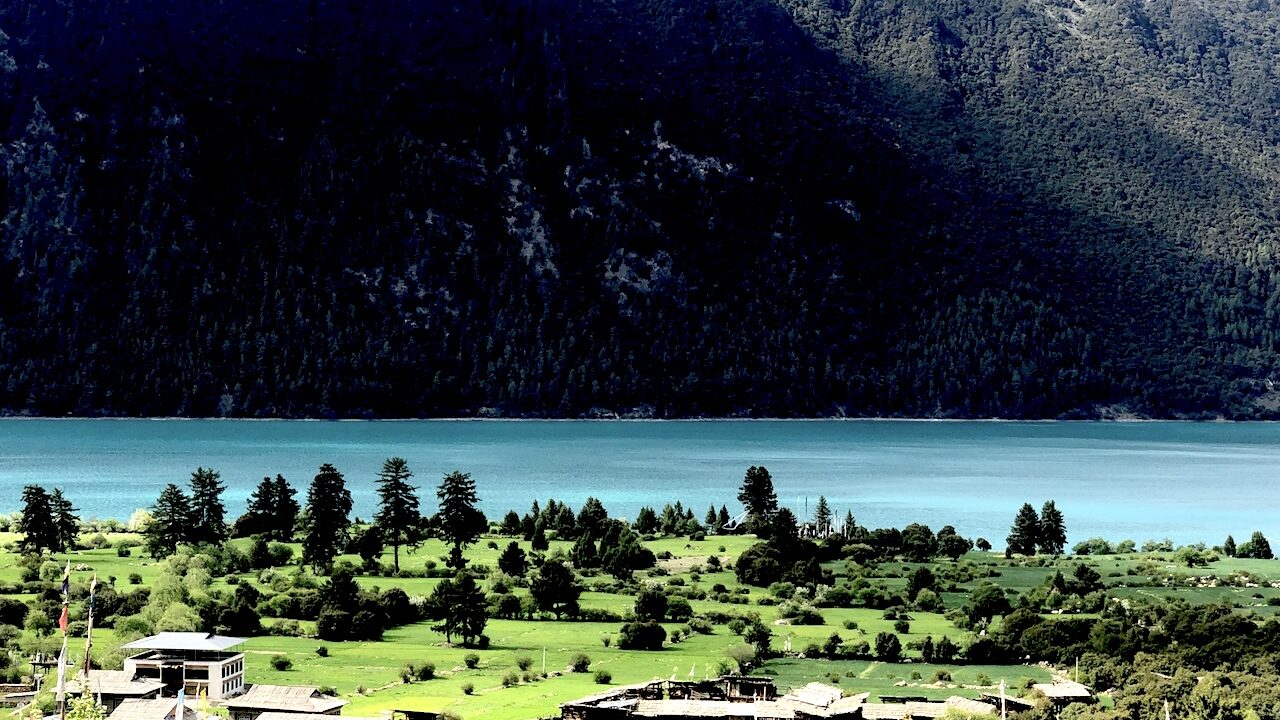
Surrounded by dense primary forests of fir, spruce, and rhododendron, the lake hosts 195 native animal species and 242 phytoplankton varieties, including endemic fish like the naked carp(Gymnocypris spp.), which thrive in its oligotrophic waters. The northwestern shore features a 5 m² sacred boulder with a central perforation, believed to cleanse sins and cure illnesses through ritual passage.
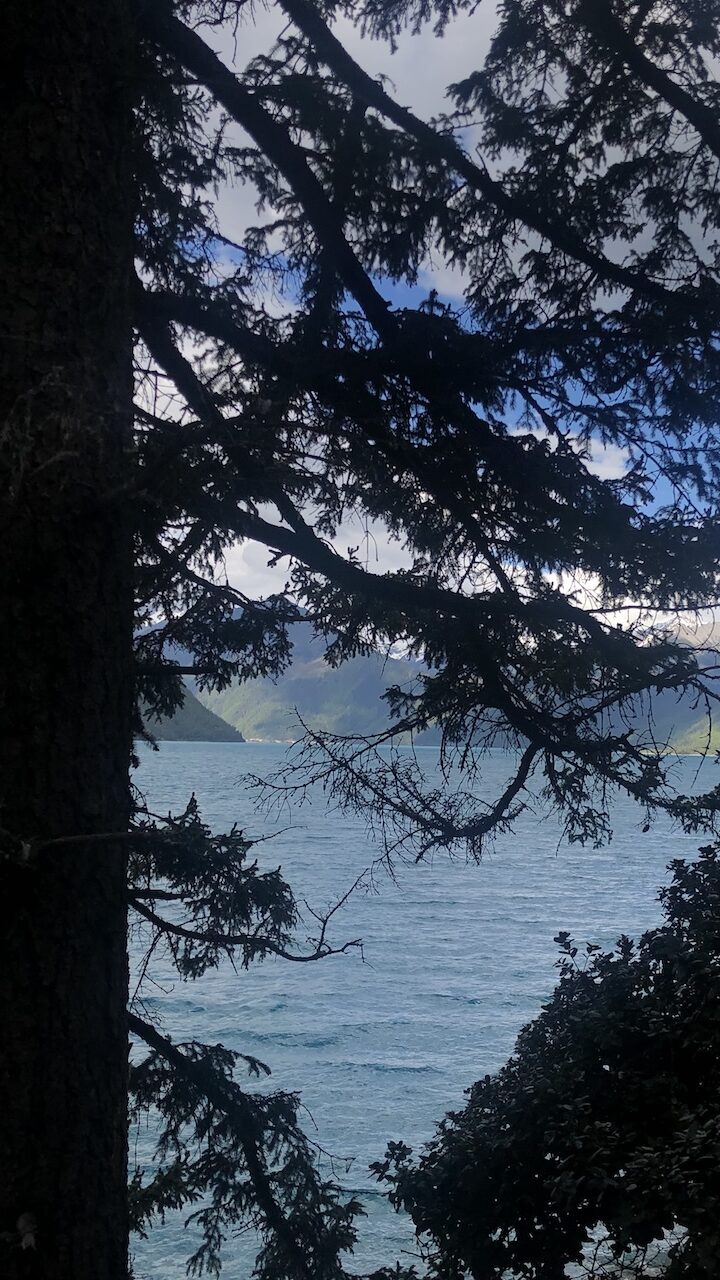
Culturally, Dragsum Tsho is central to the Kongpo people, a Tibetan subgroup known for unique traditions like polyandrous marriages and silver-ornamented attire35. The 7th-century Tsodzong Monastery on Drowa Island (Chinese: 扎西岛) exemplifies Nyingma school architecture, dedicated to Padmasambhava and adorned with ancient carvings of the deity Hayagriva.[5] Annually on the 15th day of the fourth Tibetan month, pilgrims circumambulate the lake, tracing routes marked by King Gesar’s legendary arrow strikes and hoofprints of his warhorse embedded in shoreline rocks. The lake’s designation as Tibet’s first AAAAA-rated scenic area in 1994 underscores its dual role as an ecological sanctuary and living cultural archive.
The water temperature in the warm season of the two levels of Basongcuo is significantly higher than that in the cold season, and the water temperature changes less between the same seasons, and has a similar trend of change. In the warm season, the average water temperature of the Basongcuo Lake area, including the rivers entering the lake, the lake surface, the lakeside and the water outlet, is 12.5℃, and the water temperature ranges from 6.6 to 16.0℃. In the cold season, the average water
temperature is 7.0℃, ranging from 3.4 to 9.5℃. The average water temperature in the warm season is 44% higher than the average water temperature in the cold season. In the warm season, the water temperature of the river entering the lake is lower than that of the lake surface, lakeside (and outlet). In the cold season, the water temperature of the river entering the lake is lower than that of the lake surface, lakeside and outlet.
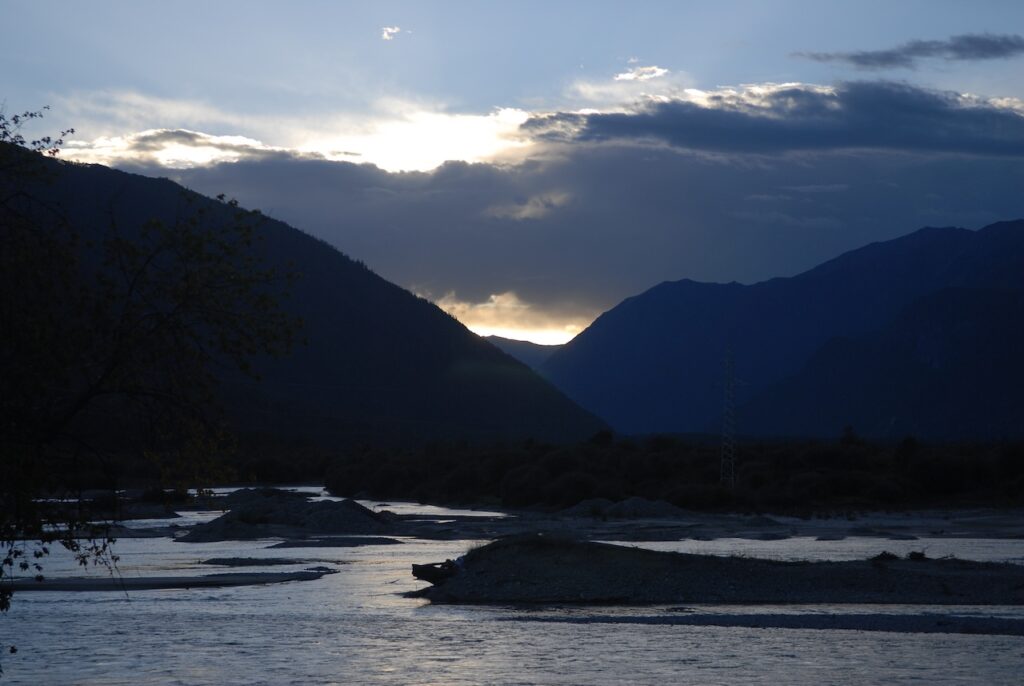
Overall, the hydrogen ion concentration index of the water body in the Basongcuo Lake area is between 7.23 and 8.84, with an average value of 8.23, which is alkaline water. Compared with the hydrogen ion concentration index of the water sample of the Niyang River, the hydrogen ion concentration index of the water body in the Basongcuo Lake area is slightly higher than that of the Niyang River.
In the warm season, the hydrogen ion concentration index of the river entering the lake, the lake surface and the water body at the outlet of the Basongcuo Lake is between 7.74 and 8.84, with an average value of 8.23; in the cold season, the hydrogen ion concentration index is between 7.23 and 8.84, with an average value of 8.24. In the warm season, the hydrogen ion concentration index of the outlet is lower than that of the river entering the lake, the lake surface and the lakeside. In the cold season, the hydrogen ion concentration index of the outlet is lower than that of the river entering the lake, the lake surface and the lakeside.
The introduction text comes from Wiki & Baidu
Photo By Clint & Wilson